How to Fix a Sloped or Uneven Backyard
A sloped or uneven yard doesn’t just limit how you use your outdoor space, it can create drainage problems, soil erosion, safety hazards, and long-term property damage.
The good news?
You don’t need to live with it.
In this guide, you’ll learn exactly how to fix a sloped backyard, using professional-grade methods homeowners and landscape experts rely on. Whether you’re dealing with a mild incline or a steep slope, these sloped backyard solutions are practical, durable, and value-boosting.
Let’s break it down step by step.
Why a Sloped or Uneven Backyard Is a Bigger Problem Than You Think
Before choosing a solution, it’s important to understand what an uneven backyard actually causes.
A sloped yard can lead to:
- Poor water drainage and pooling near foundations
- Soil erosion that worsens every rainy season
- Difficulty installing patios, lawns, or play areas
- Reduced usable outdoor space
- Lower property value and curb appeal
That’s why homeowners actively search for uneven backyard fix options that are both functional and long-lasting.
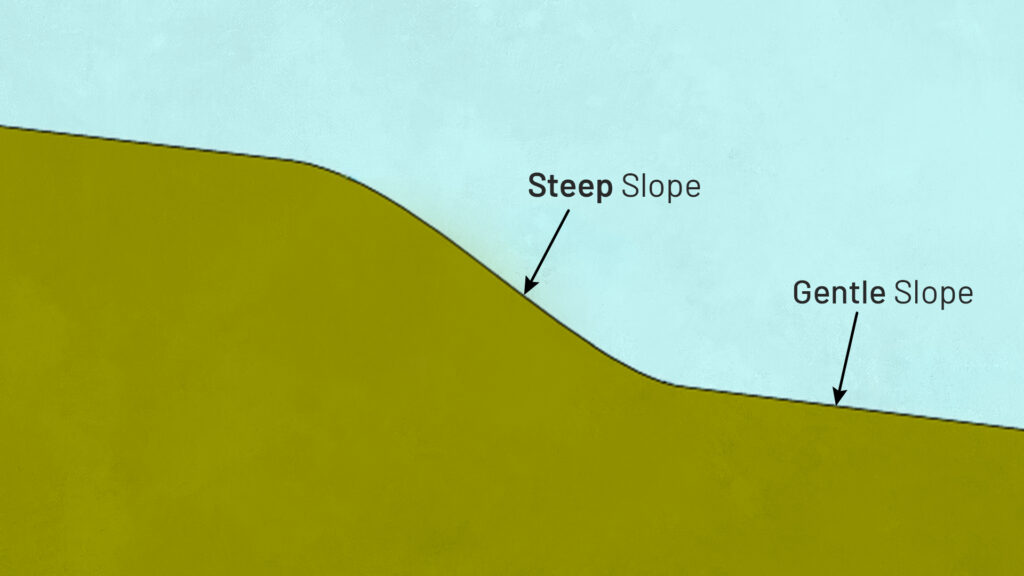
Step 1: Identify the Type and Severity of the Slope
Not all slopes are created equal.
Before deciding how to level a sloped yard, evaluate:
1. Gentle Slope (Under 5%)
- Minor grading issues
- Often fixable with backyard grading or soil redistribution
2. Moderate Slope (5–15%)
- Drainage and erosion become concerns
- Requires structural reinforcement
3. Steep Slope (15%+)
- High erosion risk
- Structural solutions like retaining walls are essential
The steeper the slope, the more critical engineered solutions become.
Step 2: Backyard Grading: The Foundation of Every Fix
Backyard grading is often the first step in fixing a sloped backyard.
What Is Backyard Grading?
Grading involves reshaping the land to create a smoother, more functional surface while directing water away from structures.
When Grading Works Best:
- Mild slopes
- Drainage correction
- Preparing for sod, turf, or hardscaping
When Grading Alone Is NOT Enough:
- Steep inclines
- Active erosion
- Soil instability
In these cases, grading must be paired with retaining wall solutions or terracing.
Step 3: Terracing a Sloped Yard for Maximum Usable Space
One of the most effective sloped backyard solutions is terracing a sloped yard.
What Is Yard Terracing?
Terracing transforms a slope into multiple flat, stepped levels supported by retaining structures.
Benefits of Terracing:
- Creates usable zones for patios, gardens, or lawns
- Dramatically reduces erosion
- Improves drainage control
- Adds high-end visual appeal
Terraced yards are especially popular in residential landscapes because they combine functionality and design.
Step 4: Retaining Wall Solutions (The Gold Standard Fix)
If you’re serious about fixing a sloped backyard permanently, retaining walls are the most reliable solution.
Why Retaining Walls Work
A retaining wall:
- Holds back soil on sloped terrain
- Prevents erosion and landslides
- Creates flat, usable surfaces
- Manages water runoff effectively
This is why professional landscapers consider retaining walls the backbone of most uneven backyard fix projects.
Types of Retaining Wall Solutions
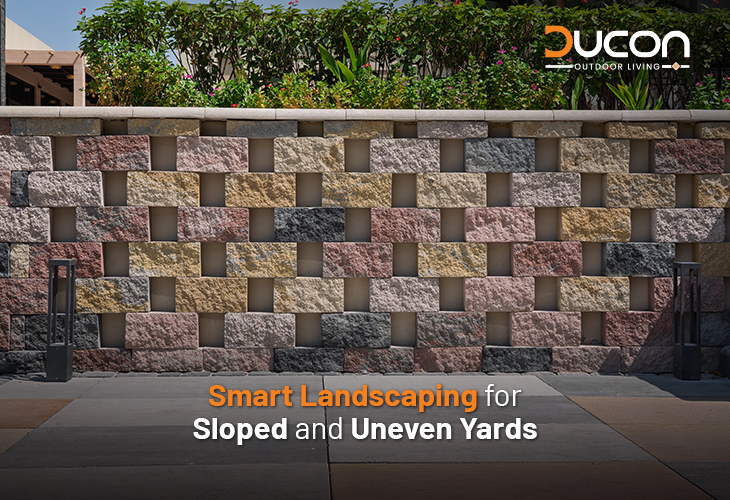
- Concrete retaining walls – Durable and long-lasting
- Stone retaining walls – Natural, high-end appearance
- Block retaining walls – Cost-effective and versatile
When engineered correctly, retaining walls don’t just fix the slope – they increase property value.
Step 5: Combine Retaining Walls With Proper Drainage
A retaining wall is only as good as its drainage system.
Why Drainage Matters
Without proper drainage:
- Pressure builds behind the wall
- Walls crack, lean, or fail
- Water damage worsens
Professional sloped backyard solutions always include:
- Gravel backfill
- Drain pipes (weep systems)
- Proper water redirectioN
This is a critical reason why DIY slope fixes often fail.
Step 6: Landscaping Enhancements After Leveling
Once you’ve addressed the slope structurally, it’s time to enhance the space.
Popular options include:
- Sod or artificial turf
- Paver patios
- Outdoor seating areas
- Garden beds integrated into terraces
A properly fixed slope opens up design possibilities that were impossible before.
DIY vs Professional Solutions: What Actually Saves Money?
Many homeowners consider DIY solutions when searching for ways to level a sloped yard. While this may seem like a cost-saving option, DIY projects carry a very high risk of mistakes, often leading to costly repairs and even more expense in the long run. Instead of risking errors and wasted money, it’s far more effective to hire professional wall system installers who have the expertise to do the job right the first time.
Professional Help Is Essential When:
- Installing retaining walls
- Managing drainage systems
- Fixing steep or unstable slopes
Improper installations often lead to higher long-term repair costs, making professional retaining wall solutions the smarter investment.
Common Mistakes to Avoid When Fixing a Sloped Backyard
Avoid these costly errors:
- Ignoring drainage
- Underestimating soil pressure
- Using non-engineered retaining walls
- Skipping permits or local codes
Fixing a slope is not just landscaping – it’s structural work.
The Best Way to Fix a Sloped Backyard
If your goal is a safe, functional, and visually appealing yard, the most effective approach combines:
- Strategic backyard grading
- Terracing a sloped yard where appropriate
- Professionally installed retaining wall solutions
This combination delivers the strongest long-term results and turns an unusable slope into valuable outdoor space.
Ready to Fix Your Sloped Backyard the Right Way?
At duconodl.com, we specialize in engineered retaining wall solutions designed to permanently fix uneven and sloped backyards.
Explore our retaining wall services and discover how we can transform your landscape with strength, stability, and style.