Types of Pavers: The Complete Guide (2026)
 Ducon Outdoor Living
Choosing the right paver isn’t just a design decision.
It’s a durability decision.
A maintenance decision.
And
a long-term cost decision.
Get it right, and your outdoor space looks great for decades.
Get it wrong, and you’ll deal with cracks, stains, or constant repairs.
That’s why this guide exists.
In the next few minutes, you’ll learn:
- The main types of pavers
- The real pros and cons of each
- Exactly which paver works best for which use
- How to choose the right one for your project
Let’s start with the basics.
What Are Pavers?
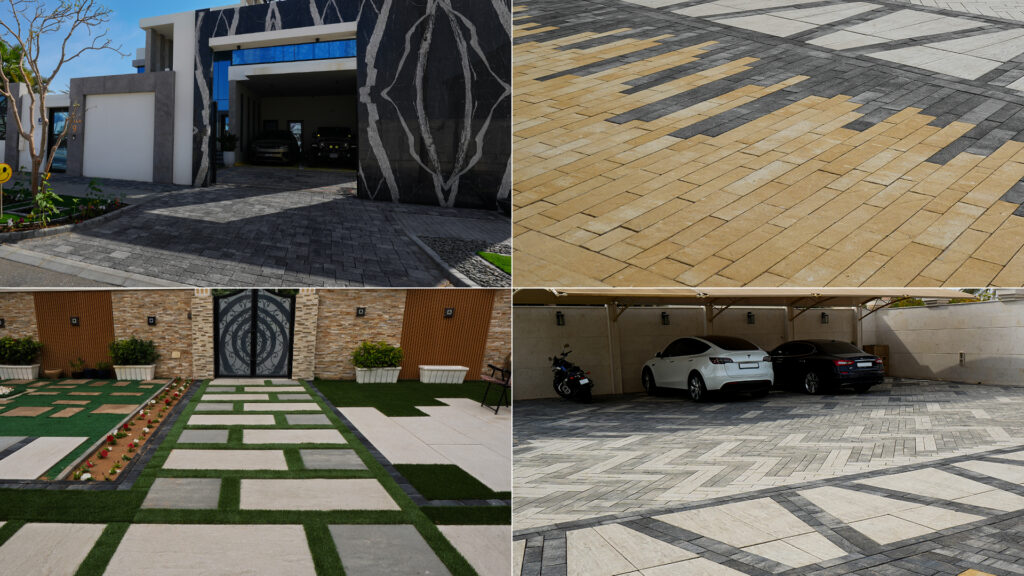
Pavers are individual units made from materials like concrete, stone, clay, or porcelain. They’re installed over a prepared base and interlock to form a strong, flexible surface.
Unlike poured concrete, pavers:
- Handle movement better
- Drain water more efficiently
- Are easier to repair or replace
That’s why they’re commonly used for:
- Driveways
- Patios
- Walkways
- Pool surrounds
- Commercial outdoor areas
If you’re researching high-quality options, it helps to review premium pavers and slabs for outdoor applications to understand what finishes, sizes, and textures are available.
Now let’s break down the different types.
Types of Pavers by Material
1. Concrete Pavers
Concrete pavers are the most widely used option and for good reason.
Why people choose them:
- High durability and load-bearing strength
- Huge range of colors, textures, and shapes
- Works for both residential and commercial spaces
- Adds premium visual appeal and property value
Downsides to consider:
- Color can fade if not sealed
- Installation quality matters a lot
Best for:
Driveways, patios, walkways, high-traffic areas
This is why many modern projects rely on concrete pavers and slabs for the perfect balance between performance and design flexibility.
2. Natural Stone Pavers
Natural stone offers something manufactured materials can’t: uniqueness.
Common options include:
- Travertine
- Limestone
- Granite
- Bluestone
- Sandstone
Why they stand out:
- One-of-a-kind natural patterns
- Excellent durability
- Adds premium visual appeal and property value
Things to keep in mind:
- Higher upfront cost
- Some stones need sealing
Best for:
Luxury patios, pool decks, garden pathways
Natural stone is often combined with large-format slabs to create clean, high-end outdoor designs.
3. Brick (Clay) Pavers
Brick pavers bring classic charm that never goes out of style.
Advantages:
- Color doesn’t fade over time
- Strong and long-lasting
- Made from natural, eco-friendly materials
Limitations:
- Fewer color choices
- Can cost more than concrete
Best for:
Walkways, courtyards, heritage-style homes
- Porcelain Pavers
Porcelain pavers are the go-to choice for modern outdoor spaces.
Why they’re popular:
- Extremely low water absorption
- Resistant to stains, scratches, and UV fading
- Very low maintenance
Trade-offs:
- Higher initial cost
- Professional installation recommended
Best for:
Contemporary patios, rooftops, pool surrounds
They pair perfectly with outdoor slabs for seamless indoor-outdoor transitions.
5. Cobblestone Pavers
Cobblestones deliver old-world character with unmatched strength.
Pros:
- Extremely durable
- Handles heavy loads easily
- Beautiful, rustic appeal
Cons:
- Higher installation cost
- Uneven surface isn’t ideal for all users
Best for:
Driveways, plazas, heritage or architectural projects
6. Permeable Pavers
Permeable pavers are designed with sustainability in mind.
Key benefits:
- Excellent water drainage
- Reduces surface runoff
- Environmentally friendly
Considerations:
- More complex installation
- Requires a properly designed base
Best for:
Driveways, parking areas, drainage-sensitive zones
7. Gravel & Aggregate Pavers
These systems use loose stone or gravel, sometimes supported by stabilizing grids.
Why people choose them:
- Budget-friendly
- Natural appearance
- Good drainage
Drawbacks:
- Requires ongoing maintenance
- Not ideal for heavy traffic
Best for:
Garden paths and low-traffic walkways
Quick Comparison: Different Types of Pavers
Instead of guessing, use this snapshot comparison:
Concrete: High durability | Medium maintenance | Medium cost | Driveways, patios
Natural Stone: Very high durability | Medium maintenance | High cost | Luxury outdoor areas
Brick: High durability | Low maintenance | Medium cost | Walkways, courtyards
Porcelain: Very high durability | Low maintenance | High cost | Modern patios, pools
Permeable: High durability | Medium maintenance | Medium–high cost | Drainage areas
How to Choose the Right Type of Paver (Step-by-Step)
1. Choose Based on Application
- Driveways: High-strength concrete or stone
- Patios: Comfort, color, and design matter most
- Pool decks: Slip resistance and heat control are key
- Walkways: Lightweight and cost-effective options work well
To see what’s available for each use case, explore Ducon’s range of pavers and slabs.
2. Choose Based on Climate
- Hot climates: Light-colored concrete, porcelain, or stone
- Coastal areas: Salt-resistant materials
- Heavy rain zones: Permeable paving systems
Climate matters more than most people realize.
Paver Patterns & Design Considerations
Pattern choice isn’t just aesthetic; it affects strength too.
Popular patterns include:
- Herringbone (best for driveways)
- Running bond
- Basket weave
- Modular layouts
Mixing textures and finishes from pavers & slabs collections allows for more creative, modern designs.
Installation & Maintenance Tips (Often Overlooked)
- A proper base is non-negotiable
- Joint sand prevents shifting and weed growth
- Sealing improves color retention and lifespan
- Regular cleaning keeps surfaces looking new
Using quality materials from Ducon’s outdoor paving solutions can significantly reduce long-term maintenance.
Frequently Asked Questions
- What is the most durable type of paver?
Concrete, granite, and porcelain pavers consistently rank highest for durability.
2. Are pavers better than slabs?
Neither is “better” universally. Pavers offer flexibility and drainage. Slabs create a seamless, modern look. Many projects successfully combine pavers and slabs.
3. Which paver is best for driveways?
Concrete or natural stone pavers with high load capacity perform best.
Choosing between different types of pavers doesn’t have to be complicated.
When you understand:
- How each material performs
- Where it works best
- And what it costs long-term
…the right decision becomes obvious.
If you’re ready to explore premium options designed for real outdoor conditions, view Ducon’s complete range of pavers & slabs and find the solution that fits your project perfectly.