SUPERVISION
Trust is good. Supervision is better.
INITIALIZING SITE PROTOCOL
Structured Supervision.
Measurable Results.
Job Planning & Documentation
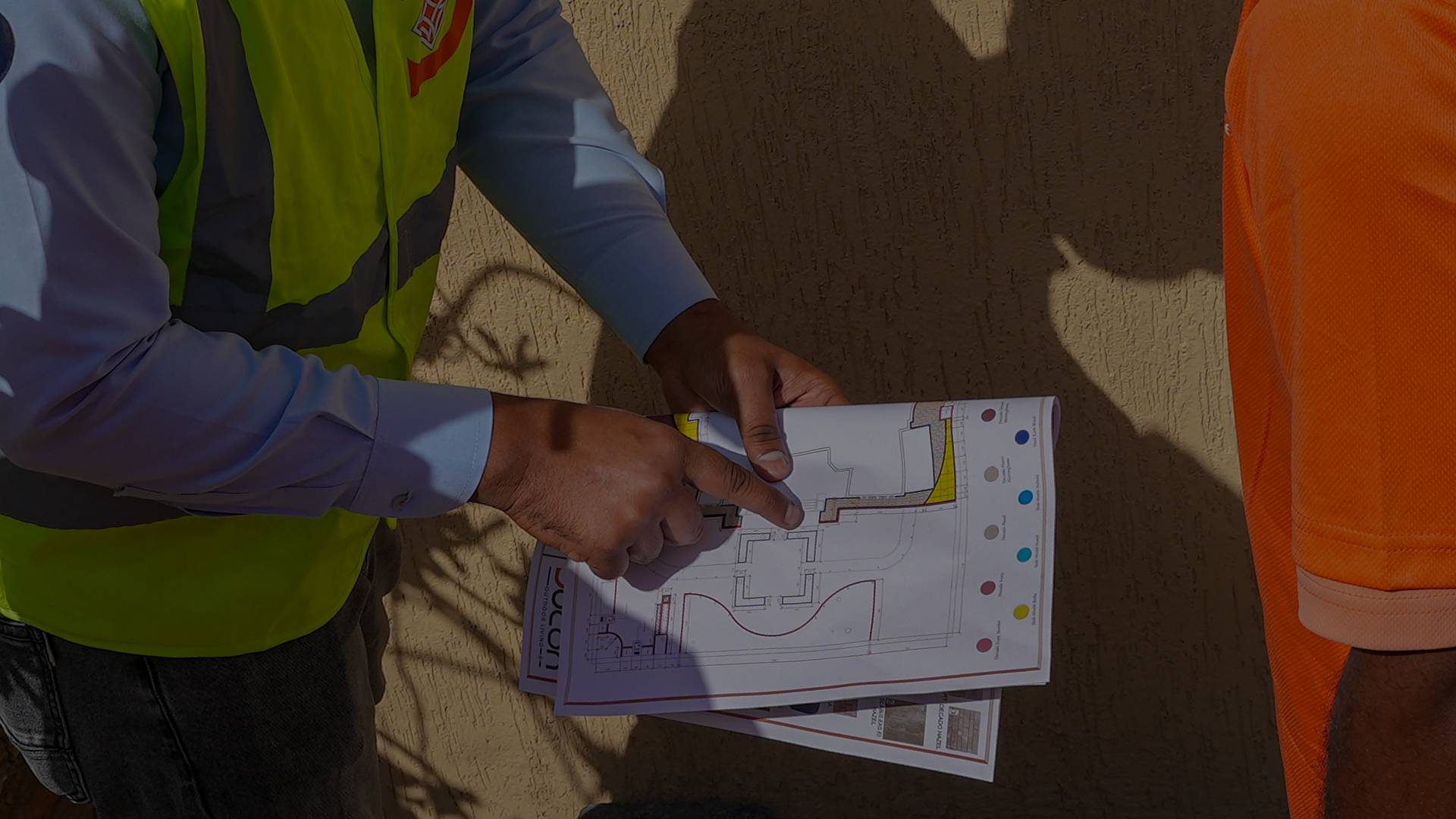
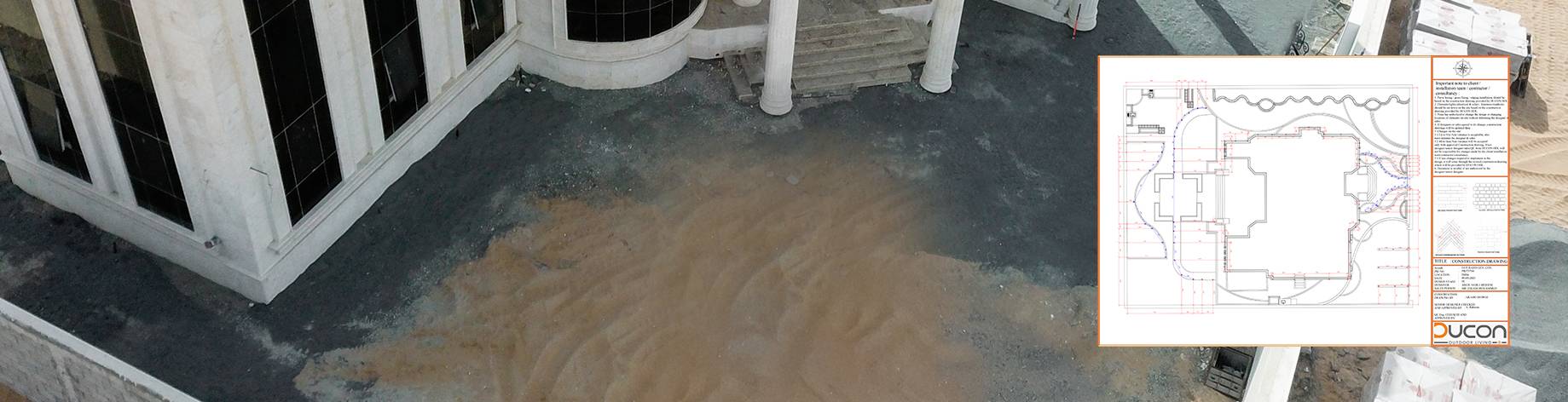
From reviewing drawings to evaluating site conditions, sourcing the right materials and equipment, and documenting installation methods, we ensure every hardscape project is executed smoothly and meets all required standards.
Job Layout & Material Flow
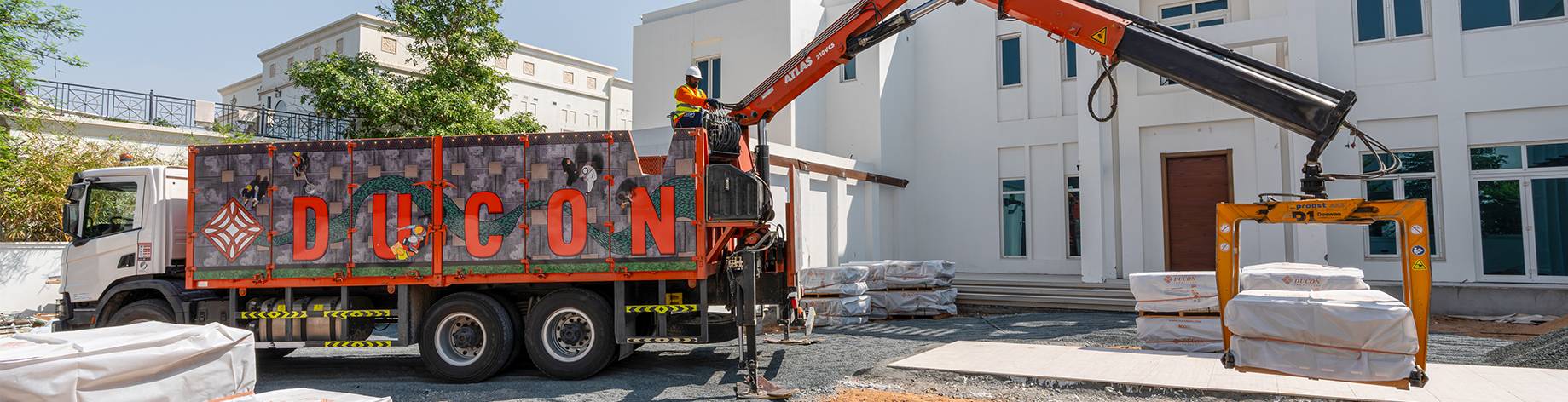
The job layout is planned to keep the site organized and efficient, ensuring materials are delivered, staged, and installed in the correct order to reduce handling, prevent damage, and maintain a smooth workflow throughout installation.
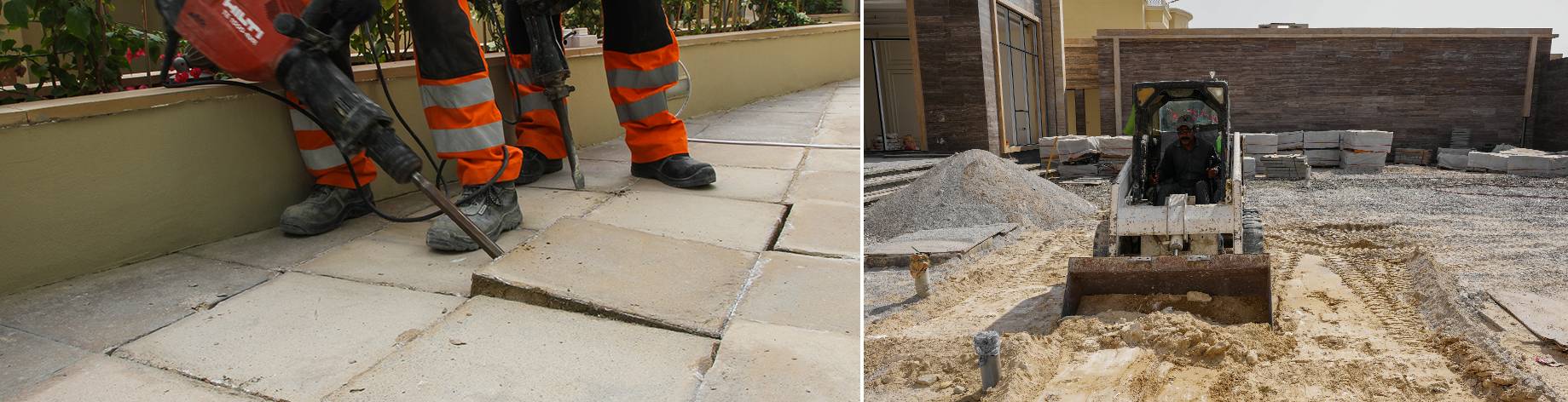
Subgrade Preparation / Excavation
Existing materials such as soil, turf, or old pavement are removed to the required depth, creating the proper space for base stone, bedding sand, and the final paver installation.
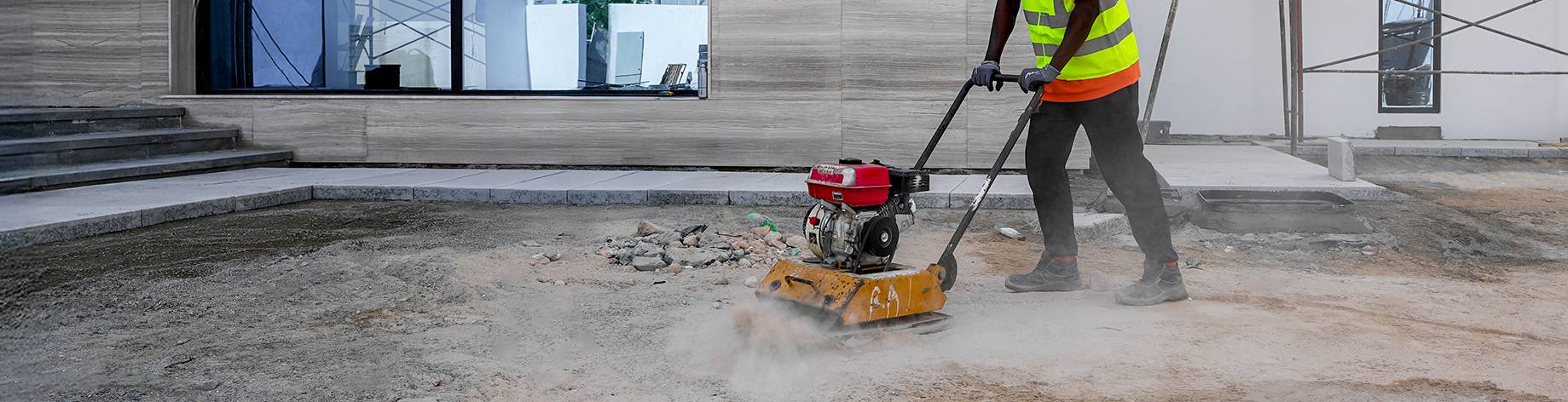
Soil Compaction
The prepared subgrade is compacted using appropriate equipment to create a stable, uniform foundation before installing separation and base layers.
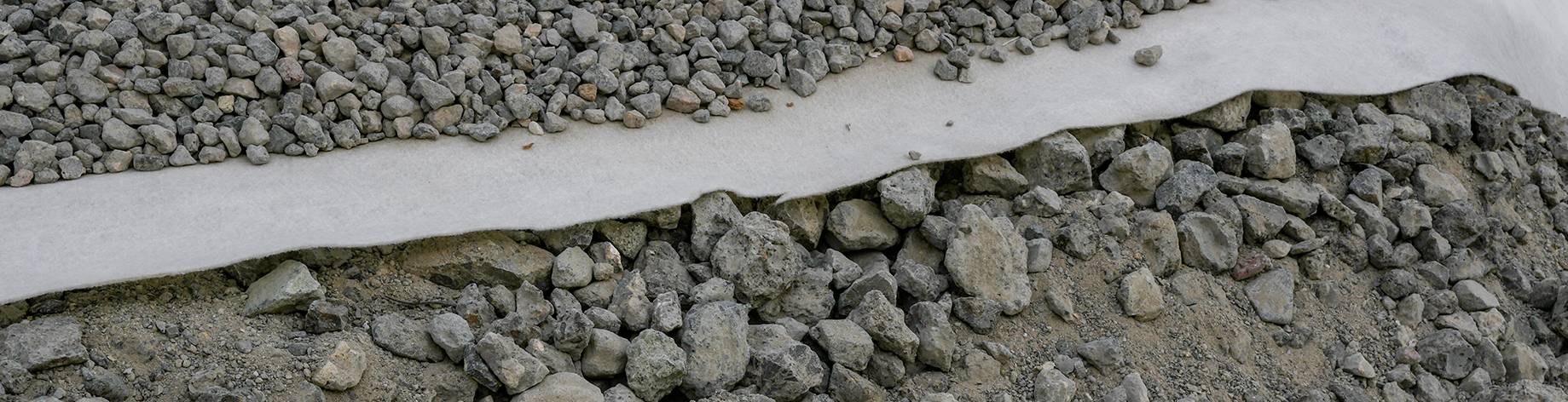
Geotextile Installation
A 200 GSM woven or non-woven geotextile is placed over the prepared subgrade to separate soil from the base layer and enhance drainage. Sheets are overlapped by 150–300 mm and laid flat to maintain a smooth, wrinkle-free surface.
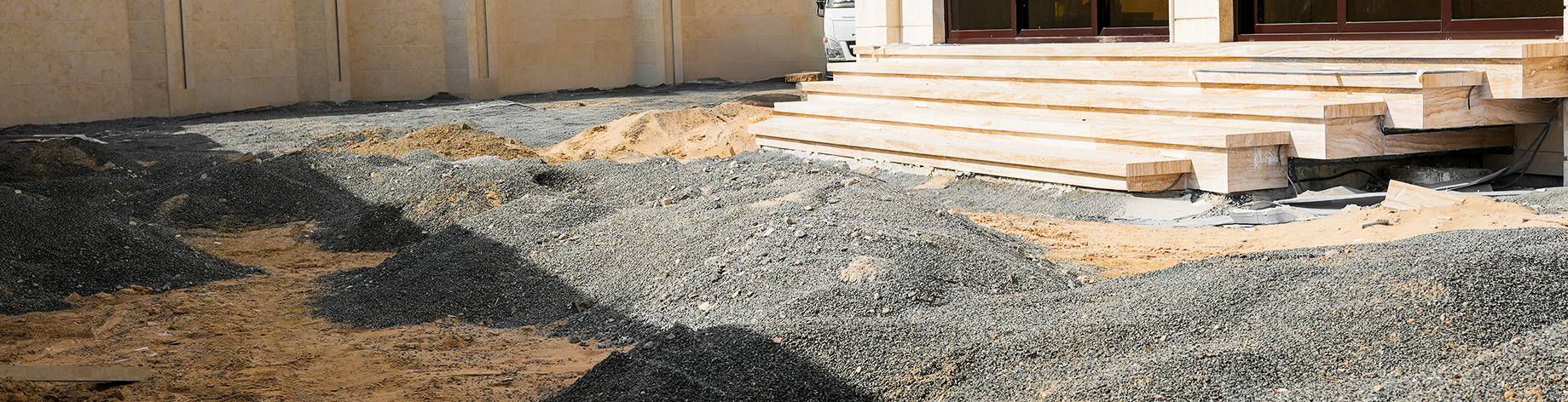
Base Material Placement
Graded aggregate base stone, in accordance with ASTM D2940, is installed in 100–150 mm layers and compacted properly to create a strong structural base that evenly distributes loads across the surface.
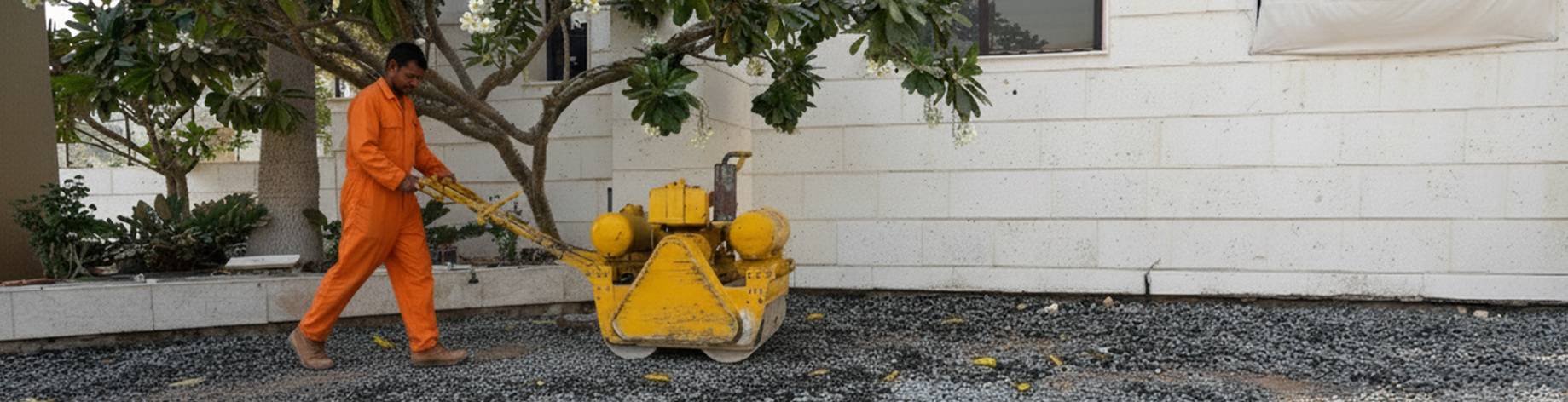
Base Compaction & Slope Setting
Each base layer is compacted to a minimum of 95% modified proctor density, while a consistent slope of approximately 2% (20 mm per meter) is established to direct water toward designated drainage points.
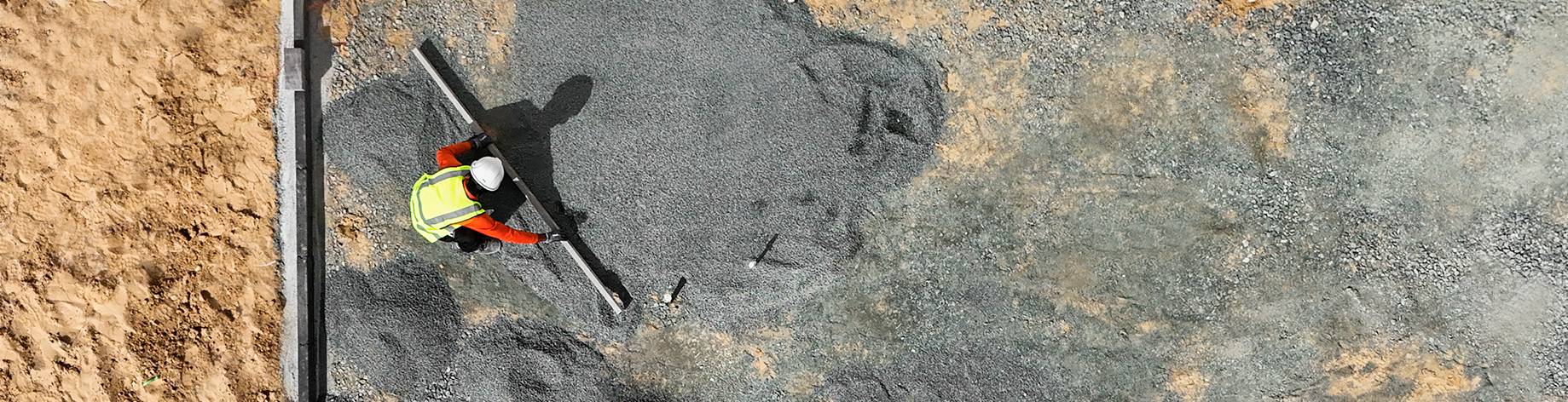
Bedding Layer Installation
A 25–40 mm layer of washed, well-graded bedding sand is evenly screeded and leveled using screed rails, with no compaction applied prior to placing the pavers.
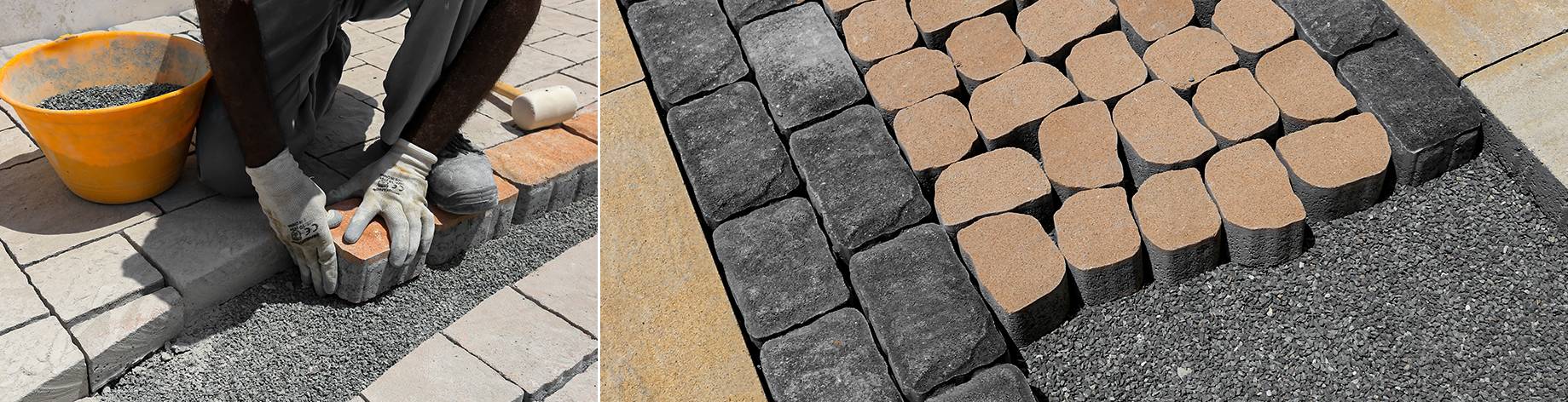
Paver Placement
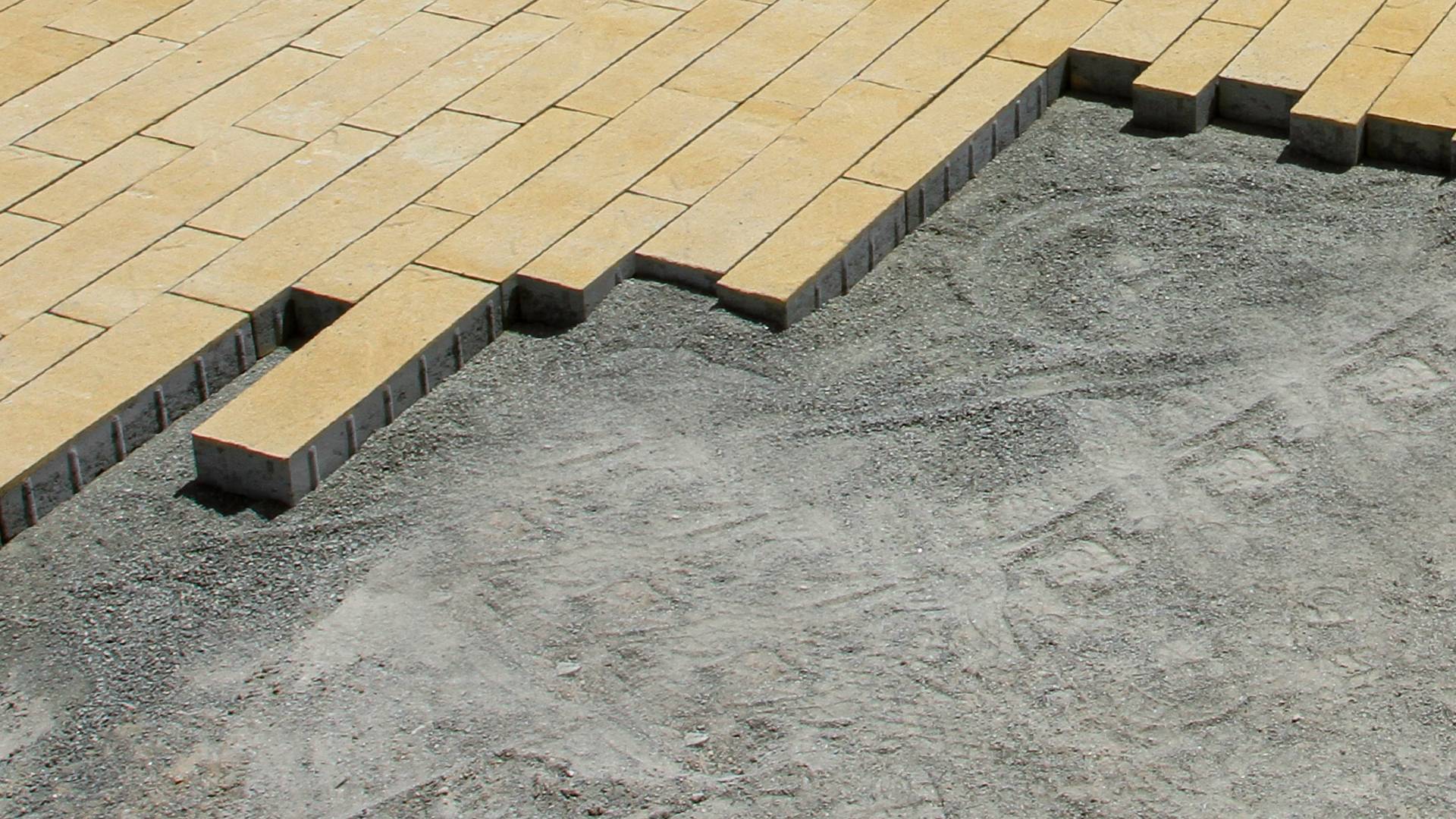
Pavers are installed following the specified pattern, using units from three different bundles to achieve natural color variation. Consistent joint spacing of approximately 2–3 mm is maintained, with clean and precise edge cuts.
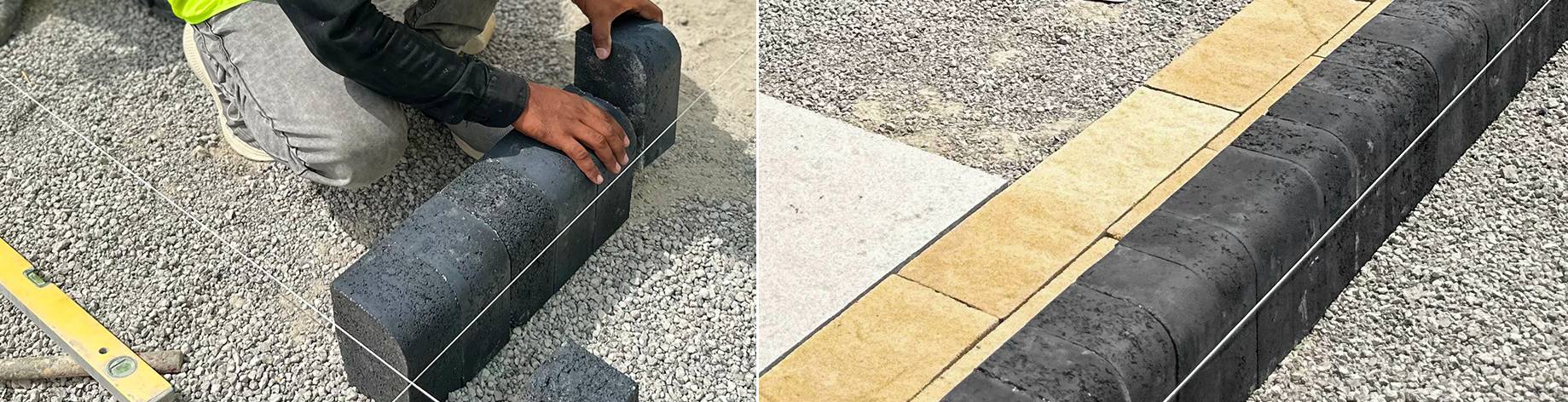
Edge Restraint Installation
Metal, aluminum, or heavy-duty plastic edge restraints are installed along all perimeter areas and firmly staked to prevent paver movement, ensuring long-term alignment in accordance with CMHA standards.
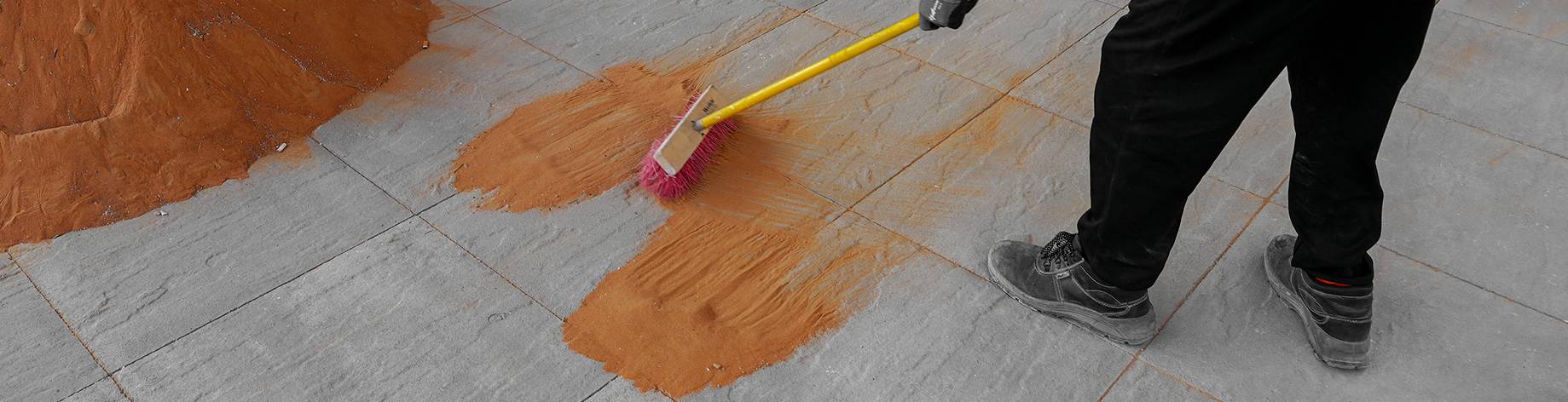
Joint Filling
Polymeric or jointing sand is swept into all joints, followed by compaction to help the sand settle. The process is repeated until joints are fully filled and stabilized.
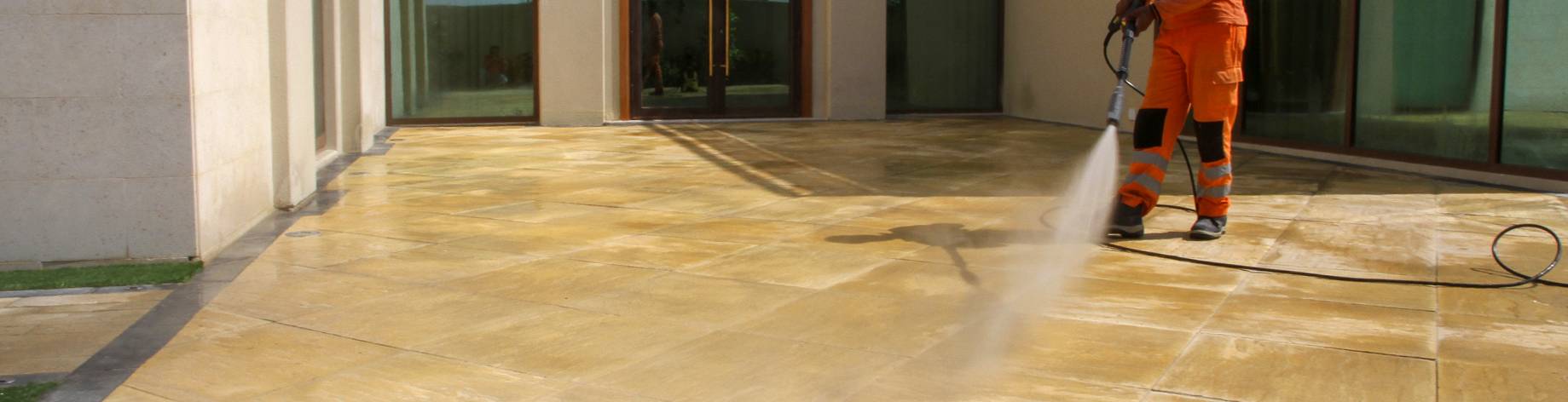
Inspection & Cleanup
A final pass is completed with the compactor, after which all remaining sand and debris are thoroughly cleaned from the surface for a clean, finished presentation.
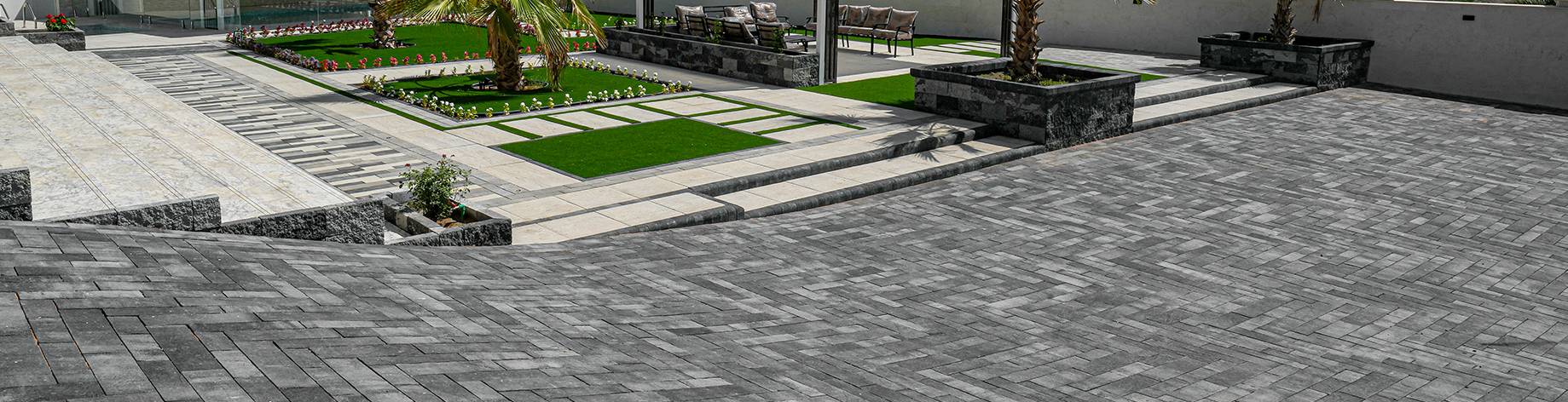
Project Handover
Levels, alignment, joint fill, slopes, and drainage are inspected to confirm they meet all specified requirements prior to final project handover.
Auto-plays · swipe or tap
 1