
Site assessment
The house should guide the extension.
Your villa may already have more usable room than you think.
Many Dubai homes have gardens, patios, side passages, or poolside areas that do not fully support everyday use. These areas may look finished, but they do not always give the family a comfortable place to sit, dine, cook, or spend time together.
Ducon Outdoor Living helps homeowners rethink these parts of the property and turn them into practical extensions of the home.
The goal is not to fill every corner with features. We first look at how the family uses the villa, then decide what to add, where to place it, and how each part should connect with the house.
A villa extension can help you use the property more effectively without adding another enclosed room.
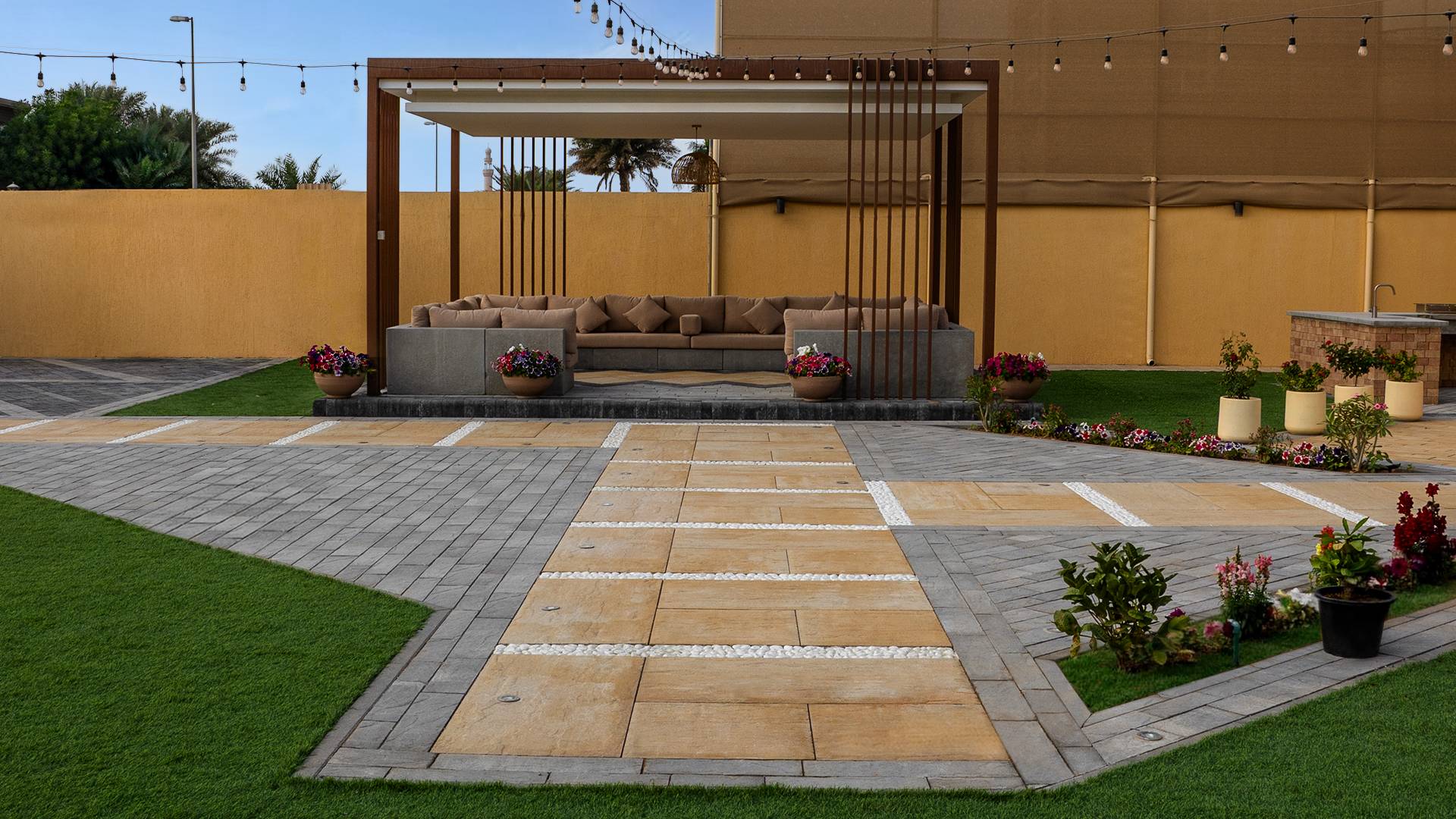
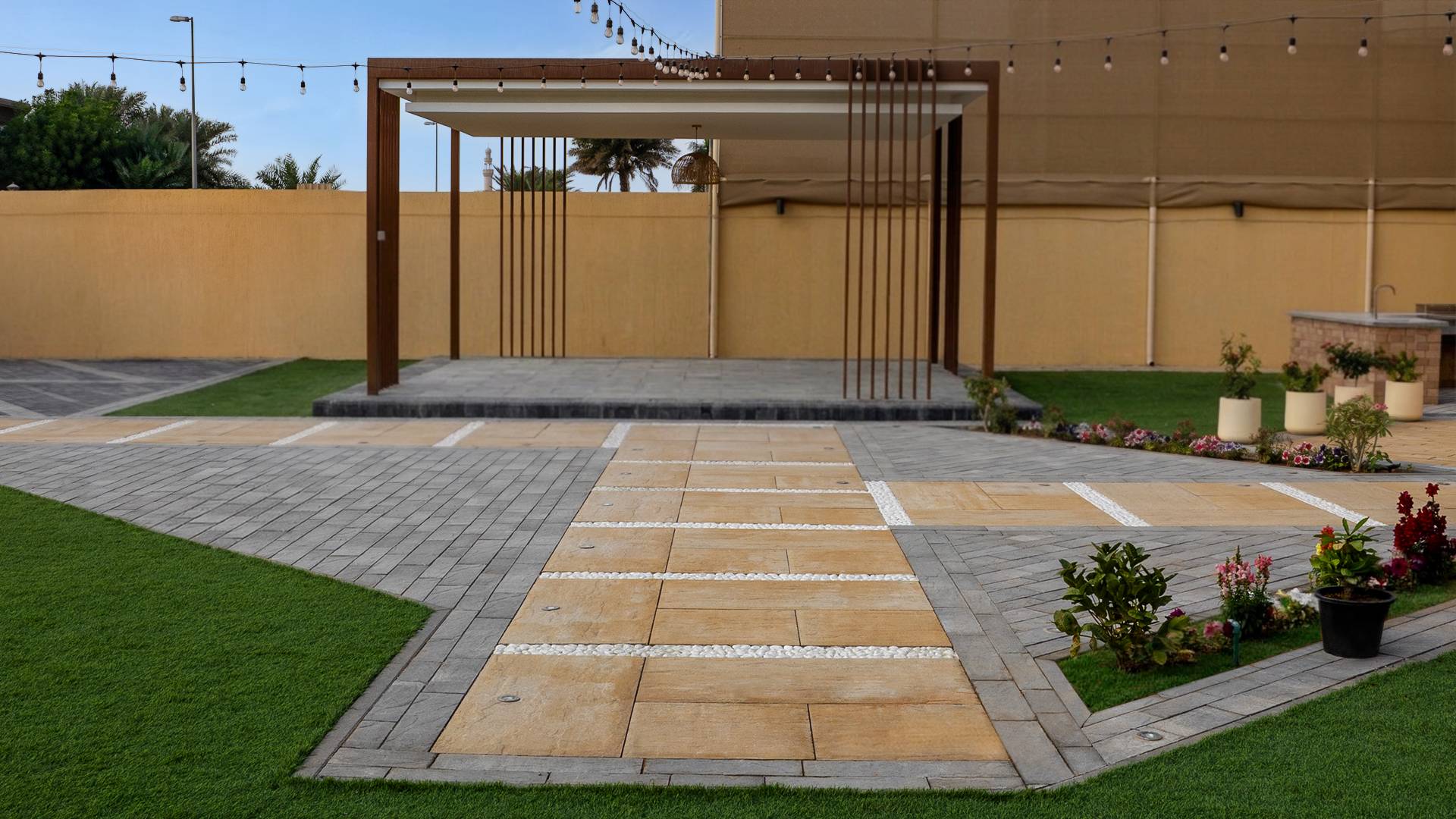
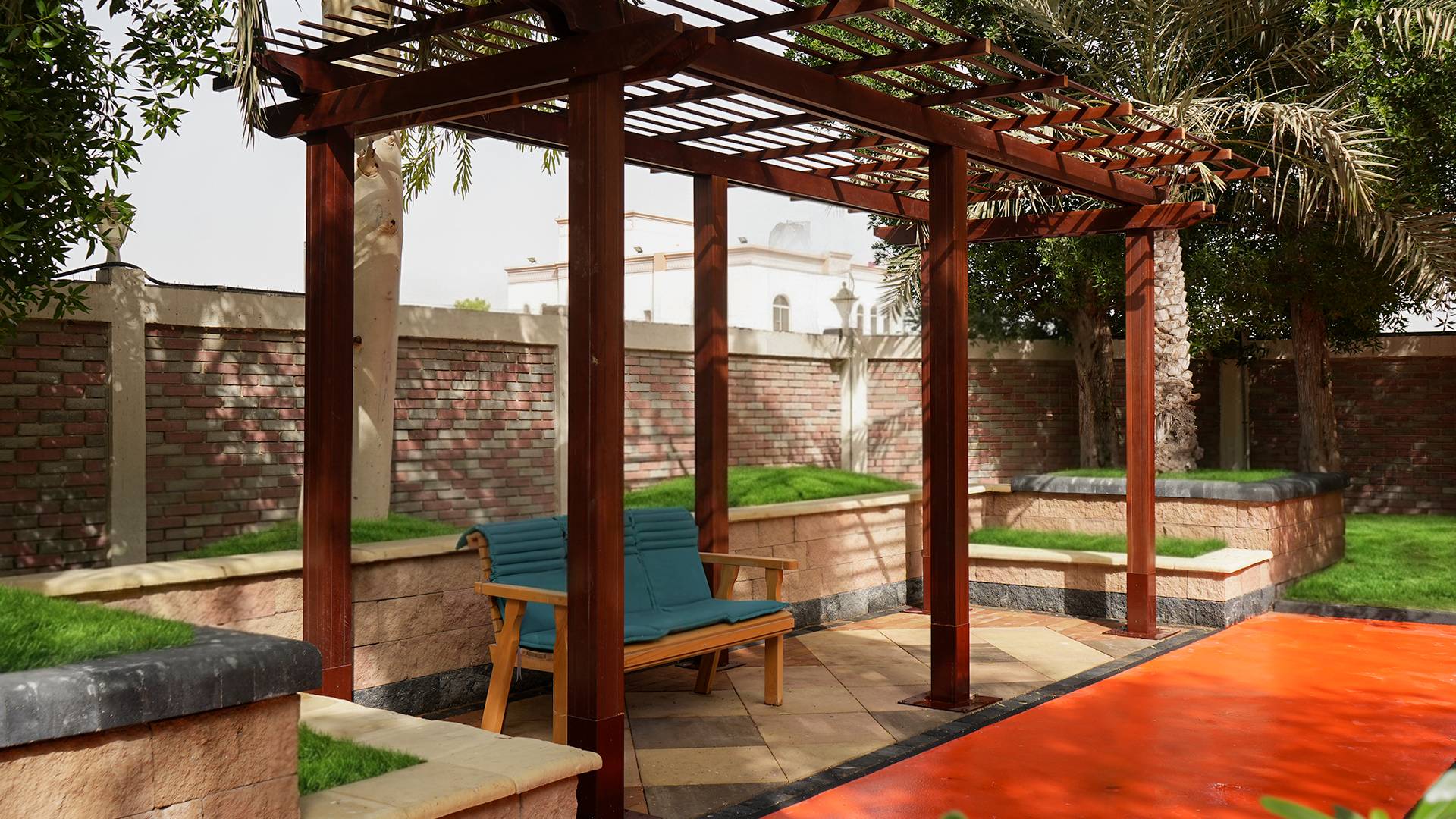
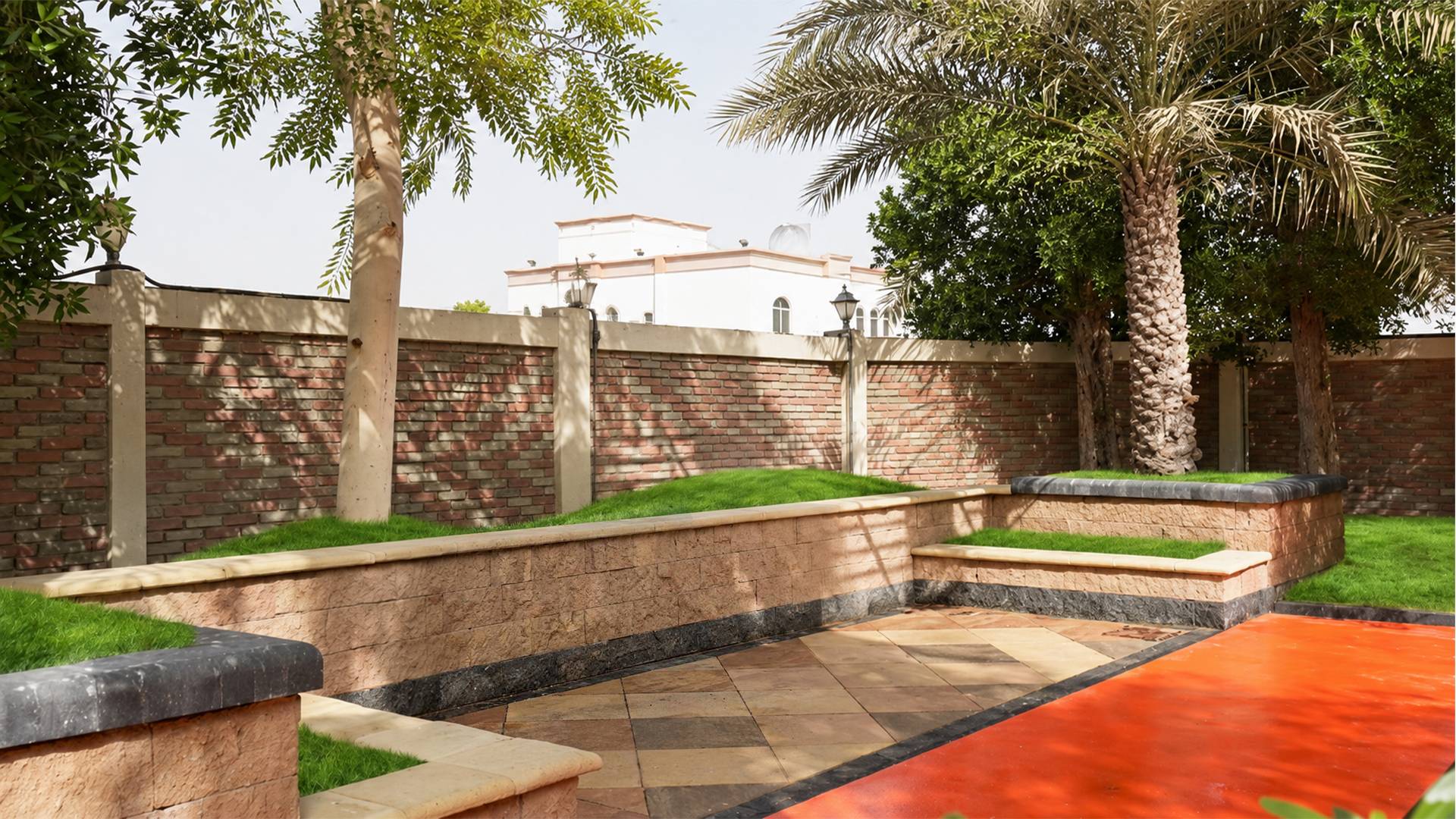
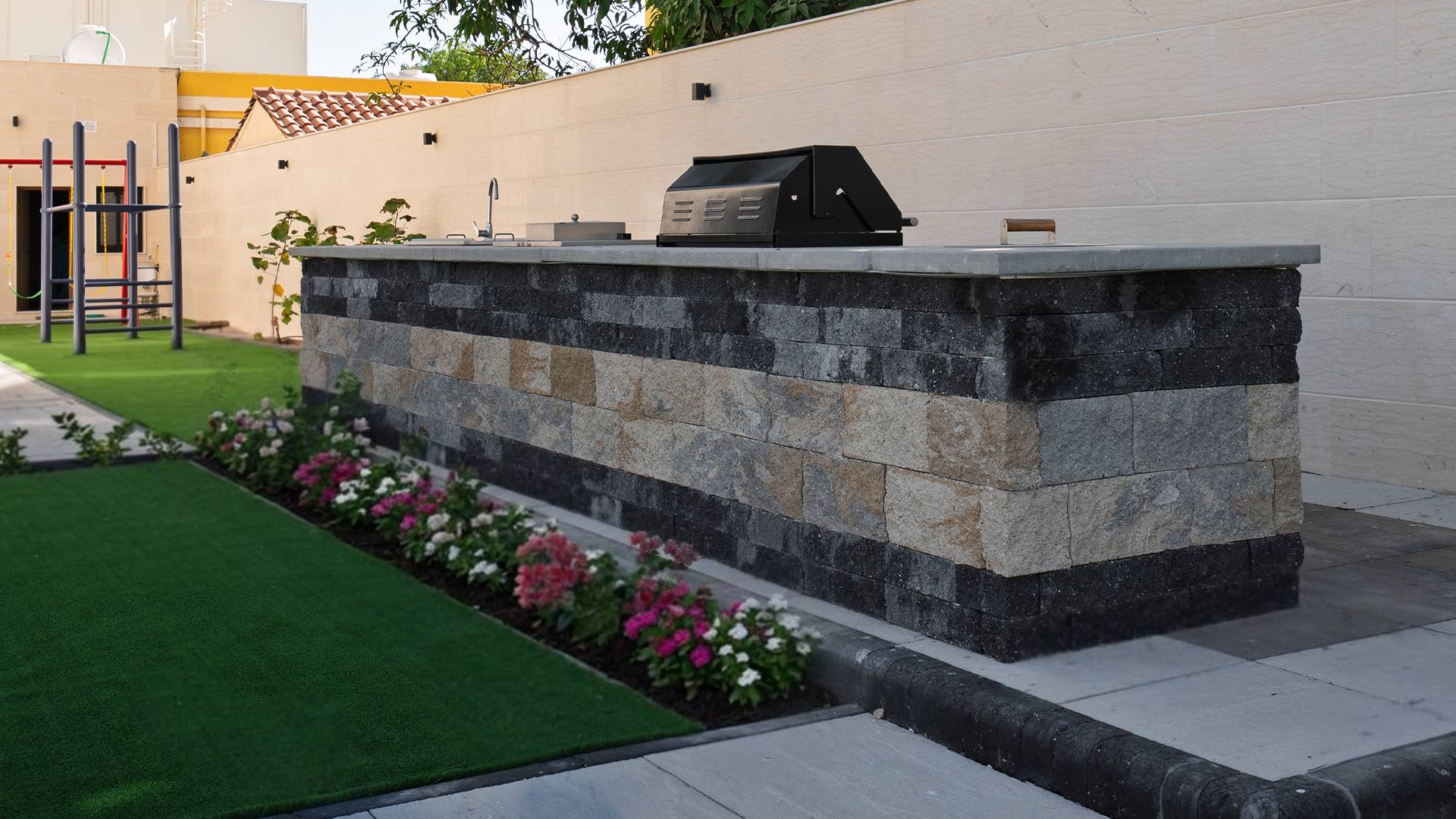
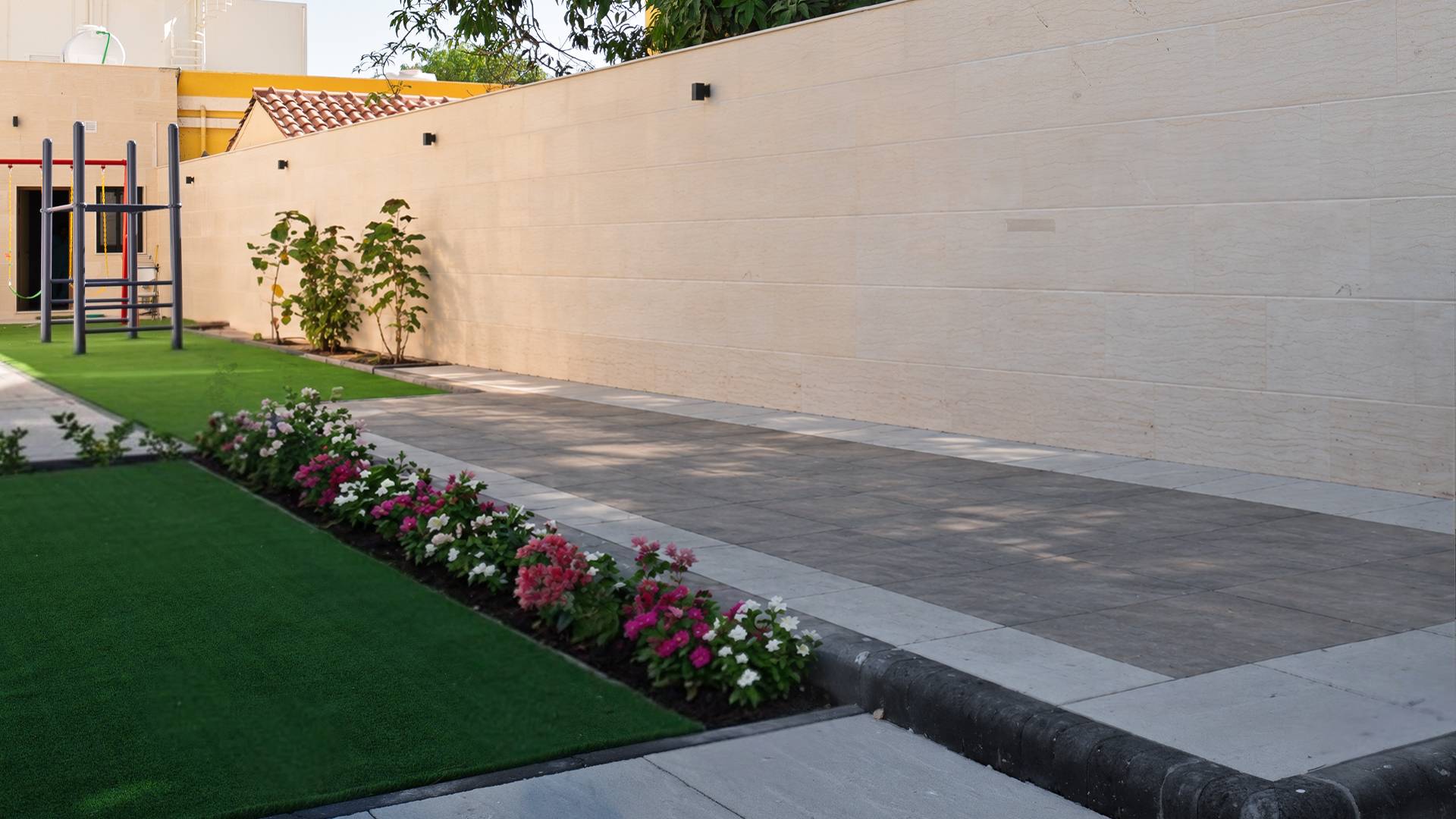
You may have a large garden but no proper seating area.
The patio may sit empty because it lacks shade.
The dining room may open directly onto the garden, but the area beyond it may serve no clear purpose.
These are the situations where a well-planned extension can make a noticeable difference.
A villa extension can help you:
Start with the reason for extending. Choose the products and features after that.
Plan Your Villa ExtensionThere is no fixed formula for a villa extension.
Some homes may only need new paving and a shaded seating area. Others may benefit from pergolas, kitchens, fountains, dining areas, or better privacy. The right combination depends on the property and how the family wants to use it.
8 of 8 features in the plan
 View Pergolas
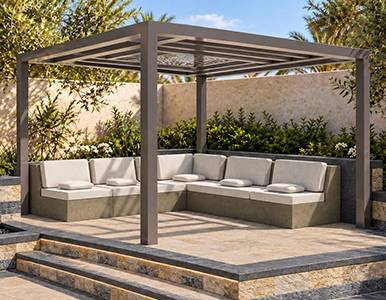
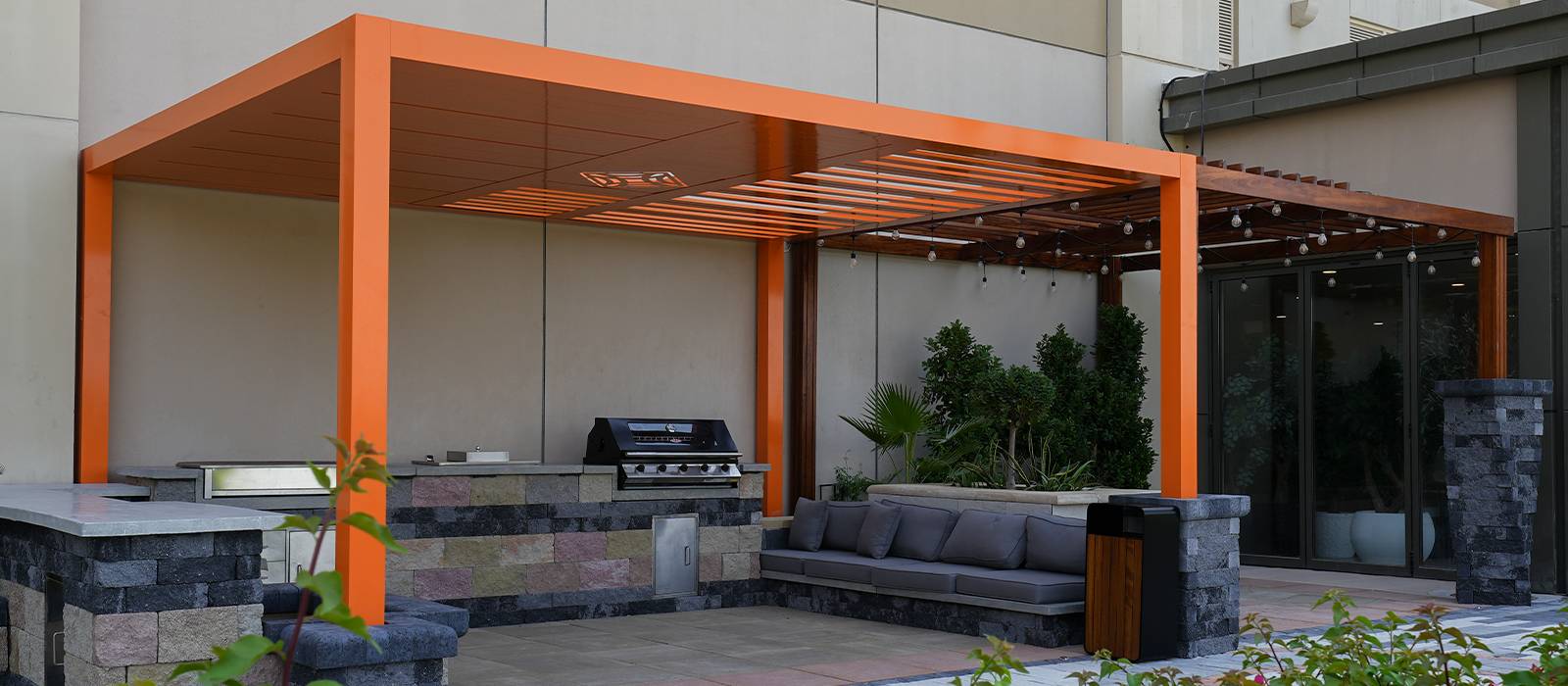
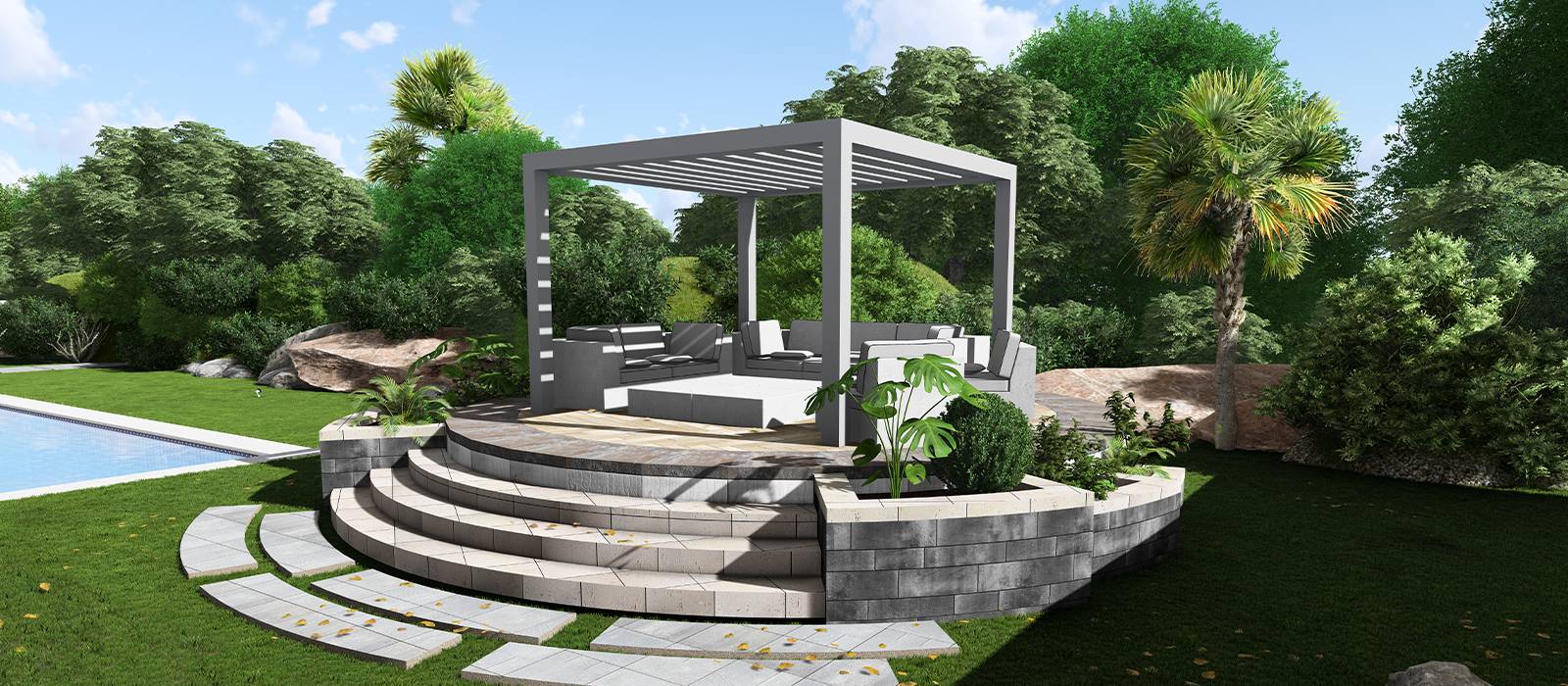
A pergola can give structure to one part of the garden while adding shade where the family needs it most.
You can place it directly beside the villa to extend the main living area into the garden, or position it further away to define a dining or seating area.
Choose the size and design based on the villa’s architecture, the direction of the sun, and the amount of shade required.
 View Pavers and Slabs
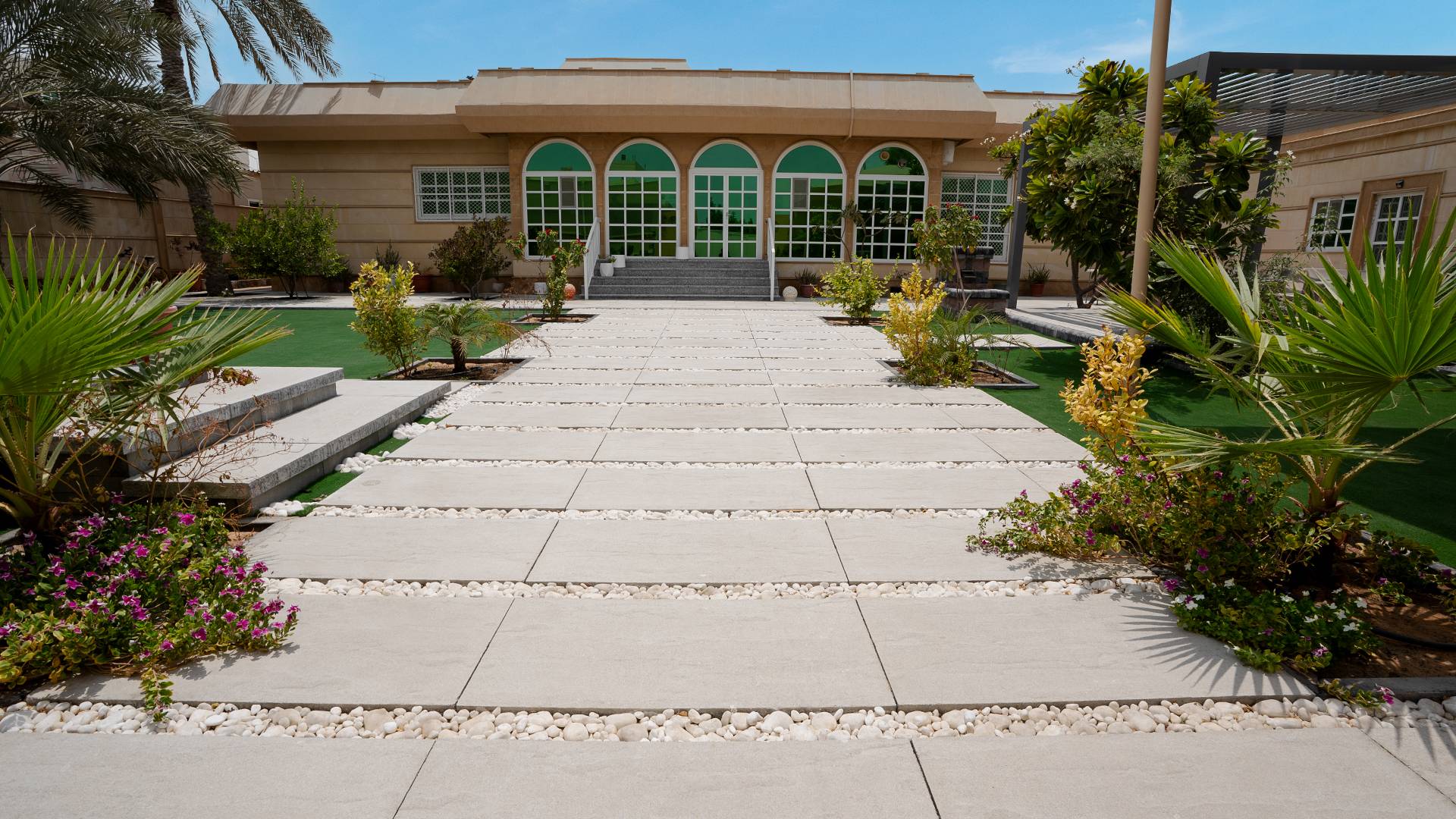
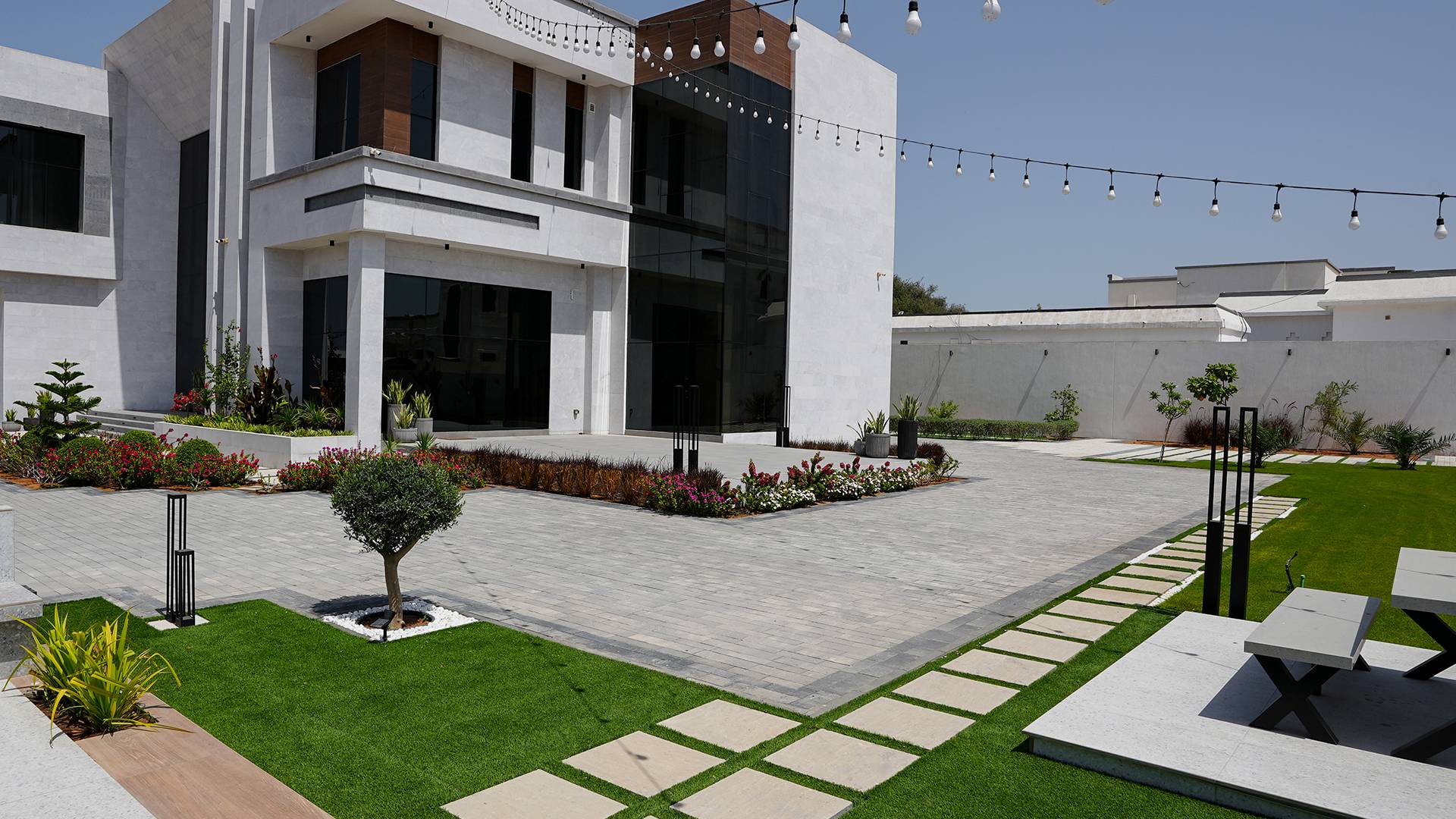
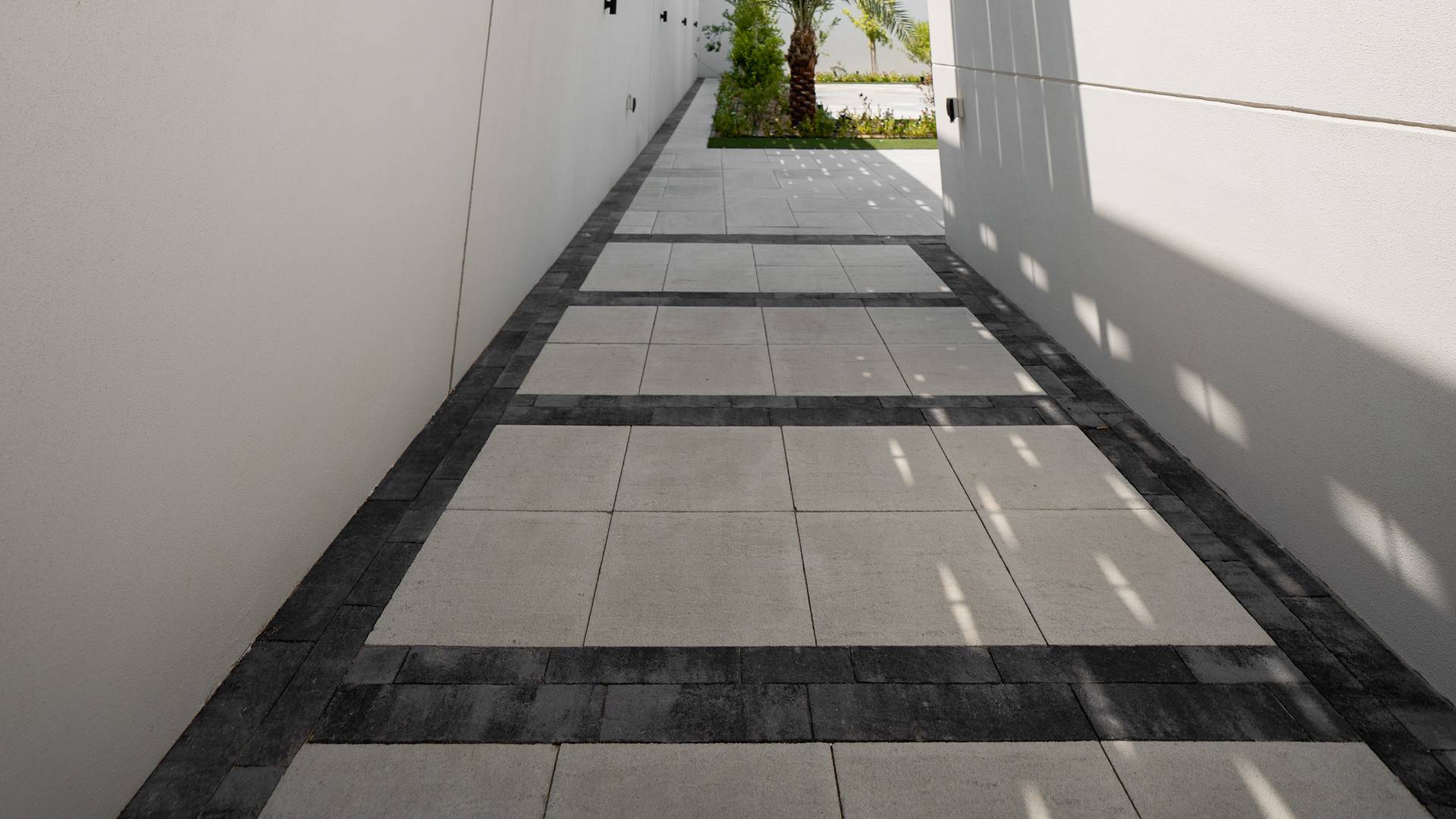
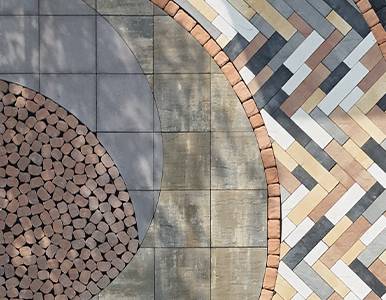
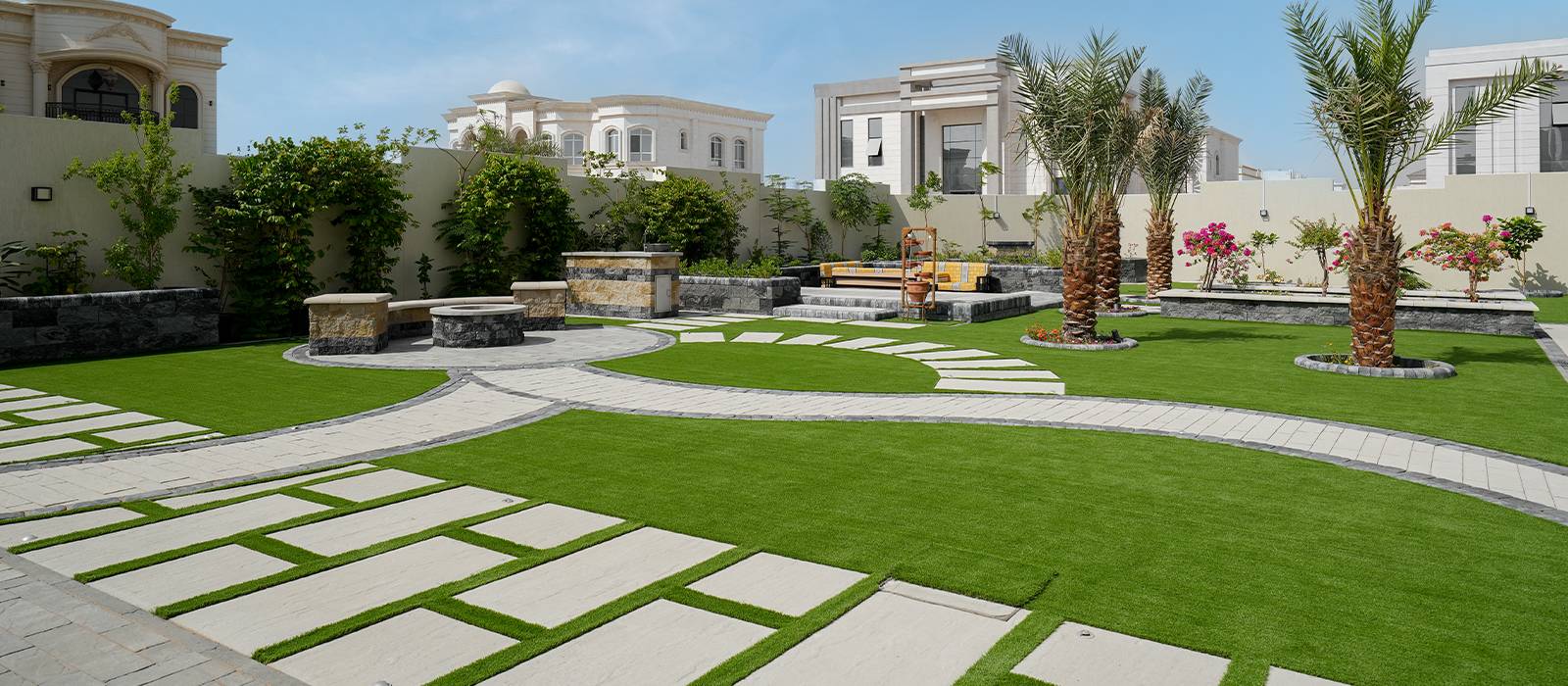
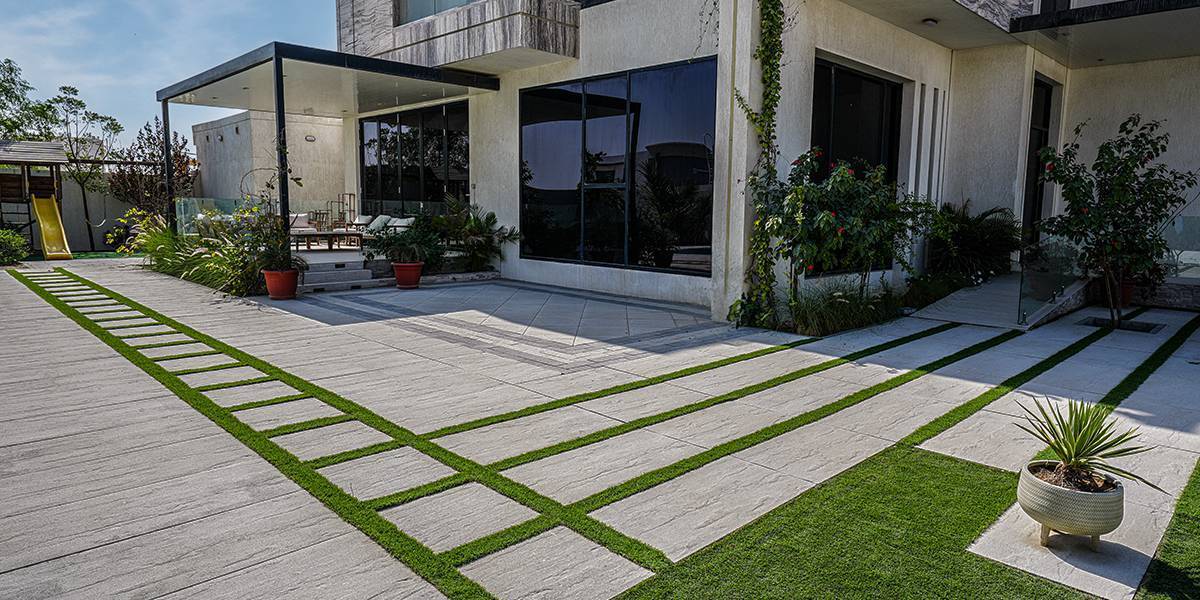
Paving helps organize the garden and connect different parts of the property.
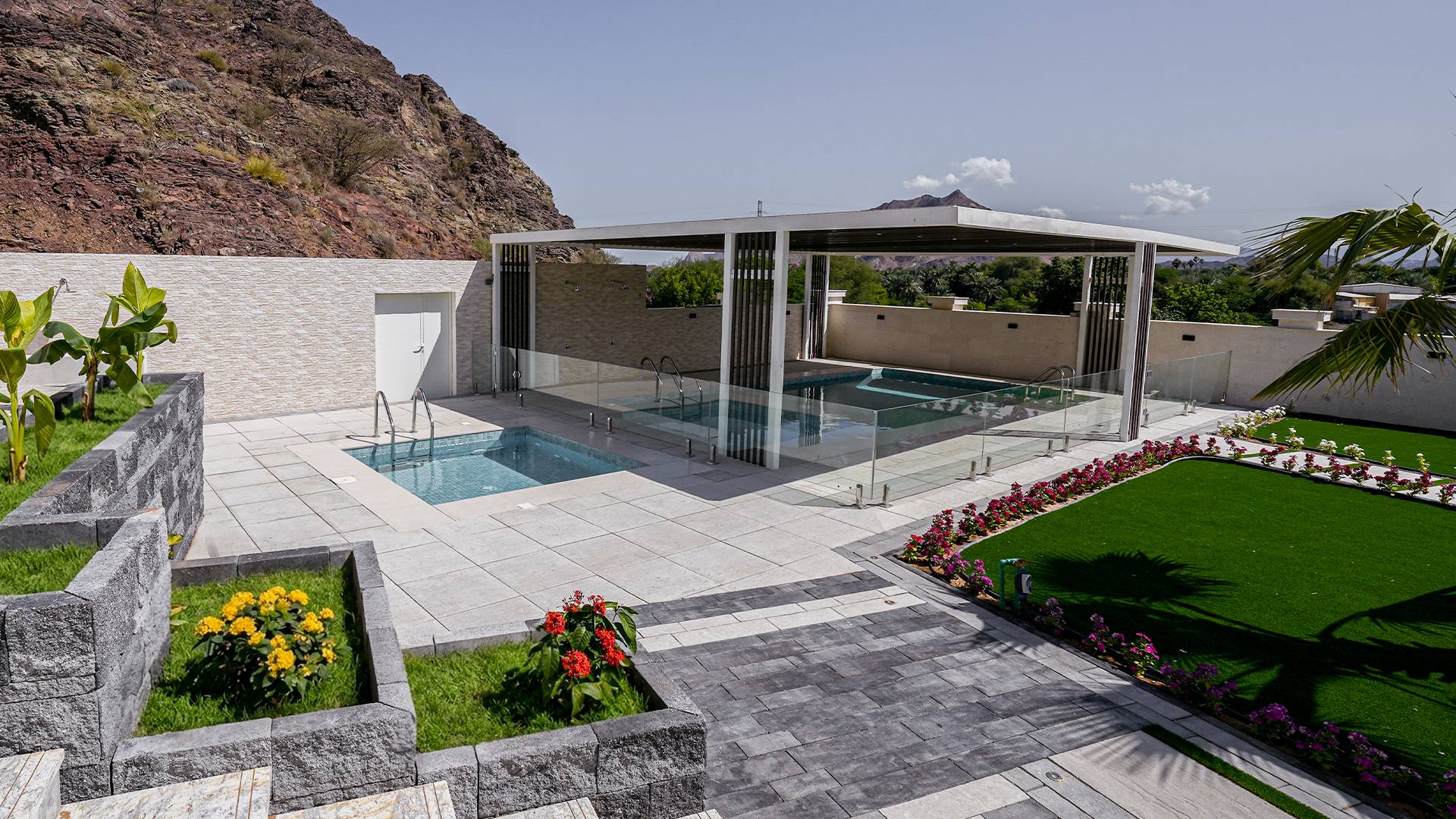
You can use it for patios, pathways, dining zones, poolside areas, and seating sections.
Different formats, colors, and laying patterns can also help distinguish one part of the garden from another without relying on walls or heavy divisions.
 View Outdoor Kitchens
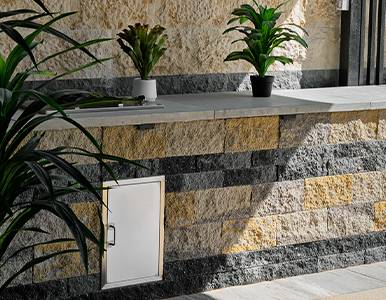
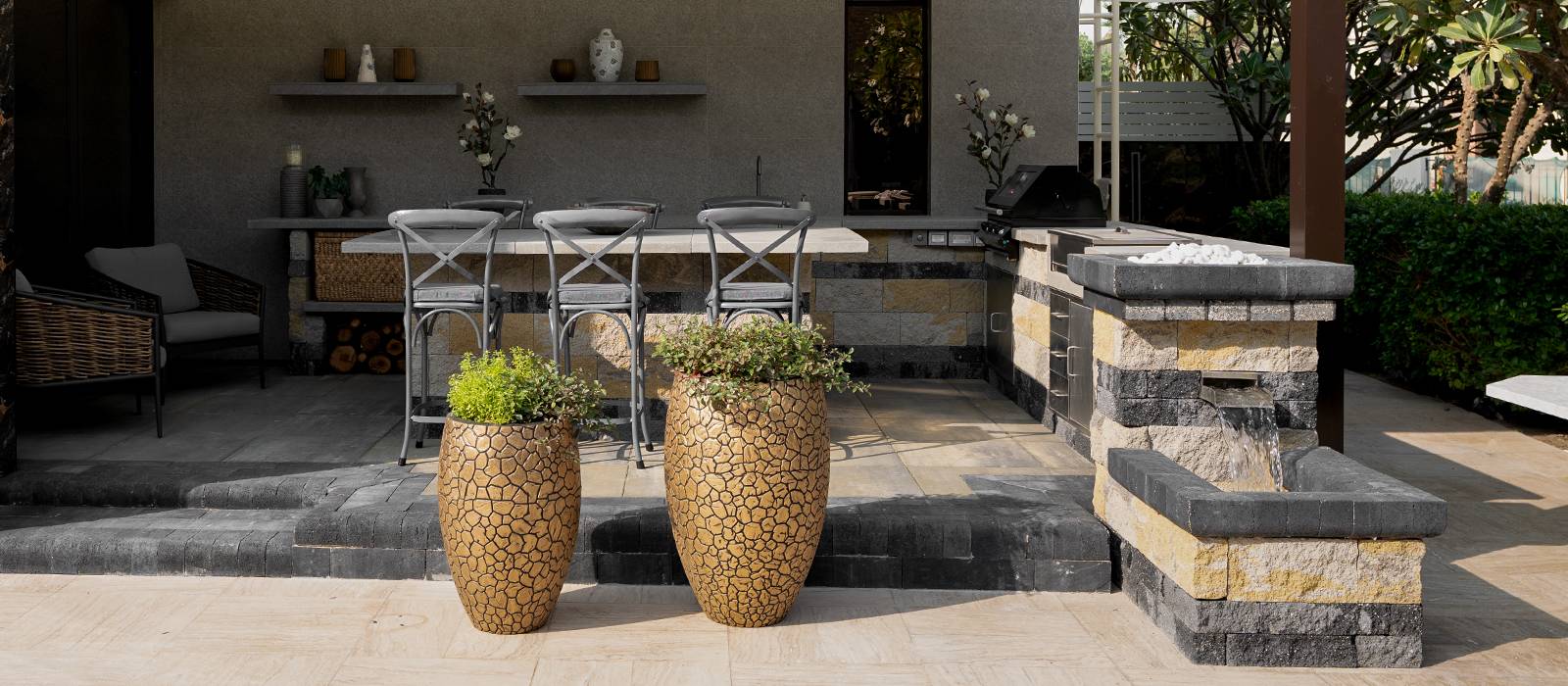
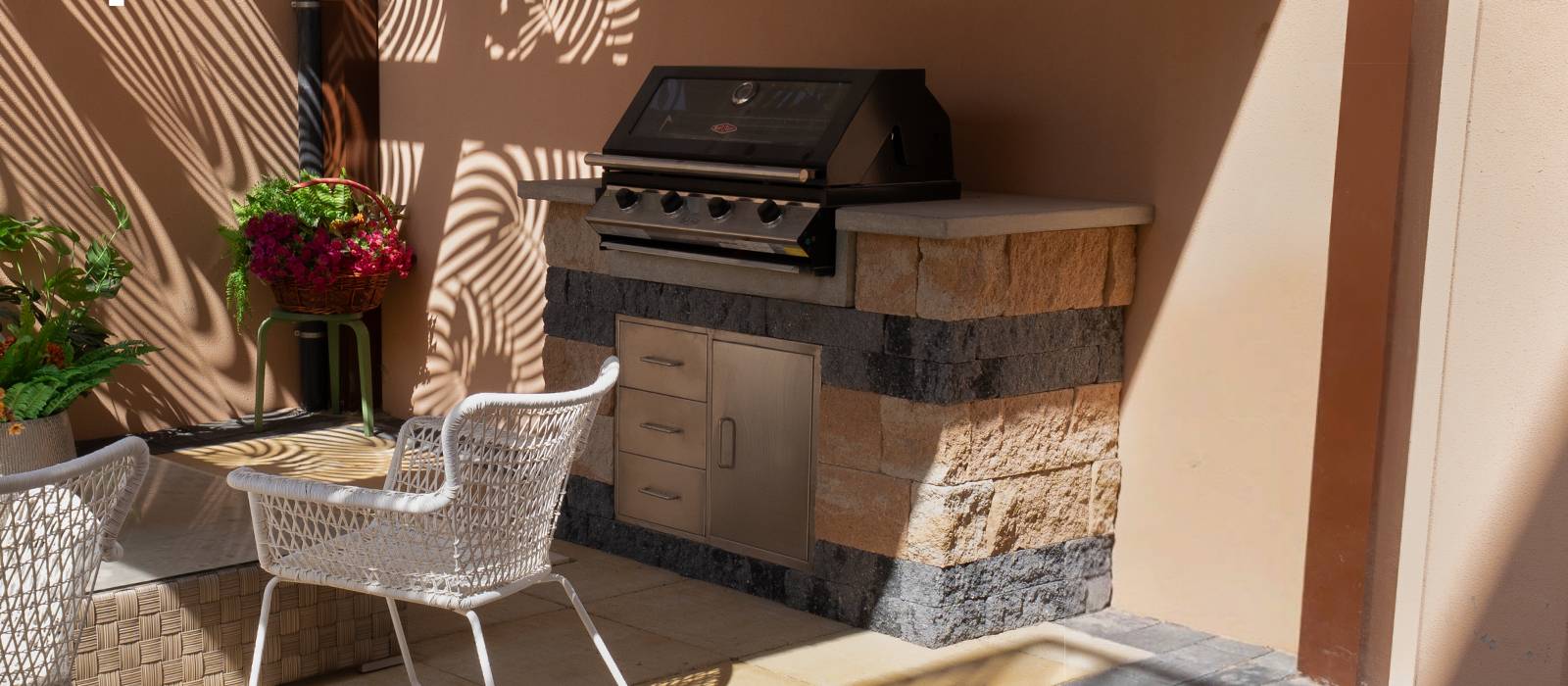
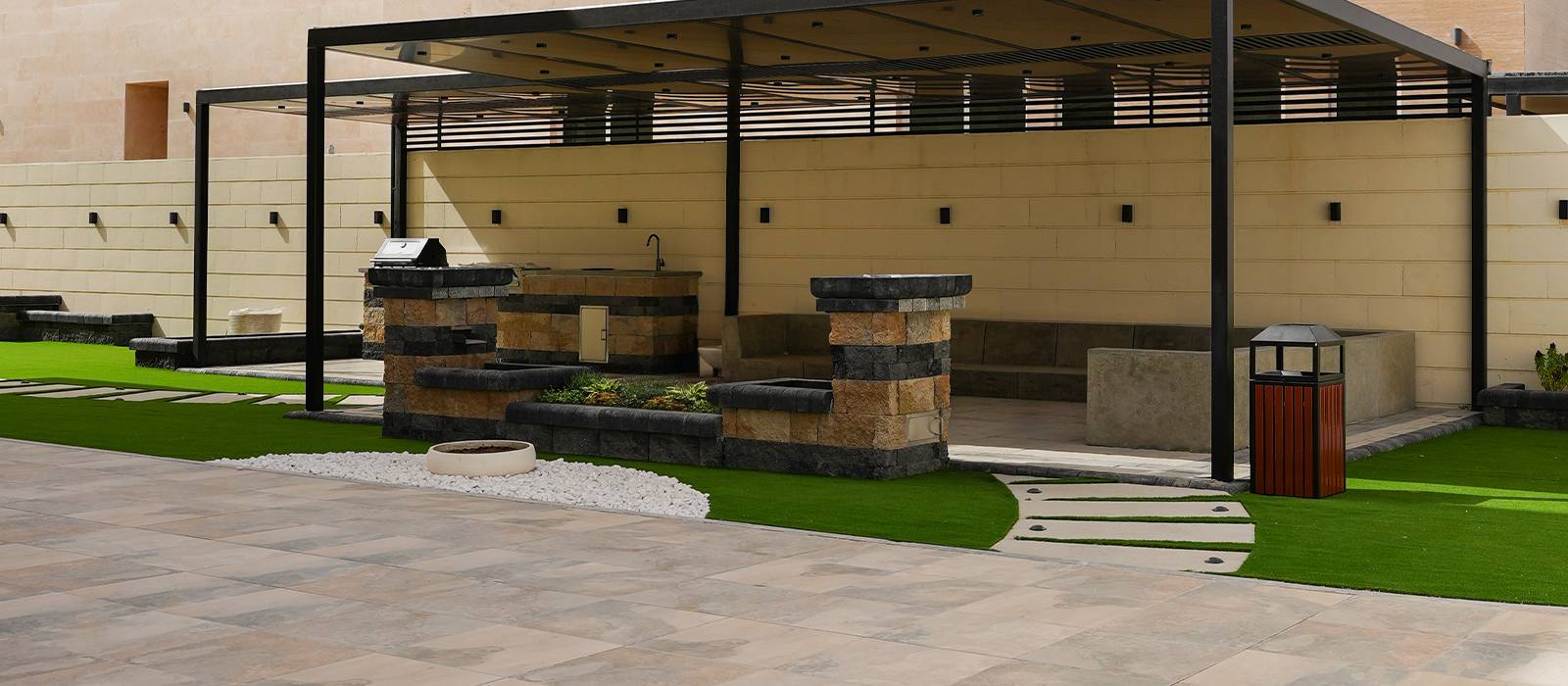
For families who regularly cook or entertain outside, an outdoor kitchen can become one of the most useful parts of the extension.
You can keep the setup simple with a grill and preparation counter or add storage, a sink, and other cooking equipment.
Location matters.
Keeping the kitchen close to the villa can make access easier, while a larger garden may allow you to place it within a separate dining and entertainment zone.
 View Seating Areas
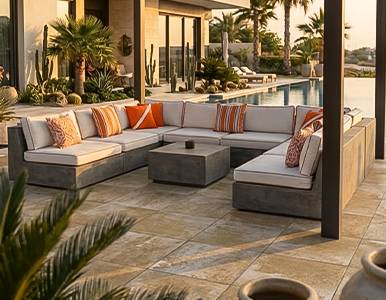
A dedicated seating area can turn an unused part of the garden into a place the family uses every day.
You can position it under a pergola, near the pool, close to the house, or in a quieter section of the garden.
Leave enough room around the furniture so people can move comfortably.
 View Fountains and Water Features
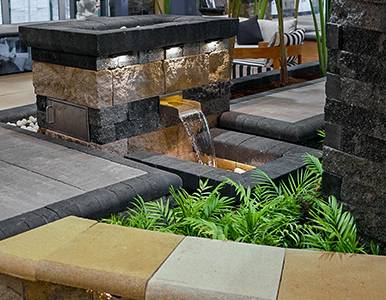
A fountain can introduce sound, movement, and a clear focal point.
You can place it near the entrance, beside a seating area or within a central part of the garden.
Choose a position that supports the overall layout rather than making the fountain feel like a separate decorative feature.
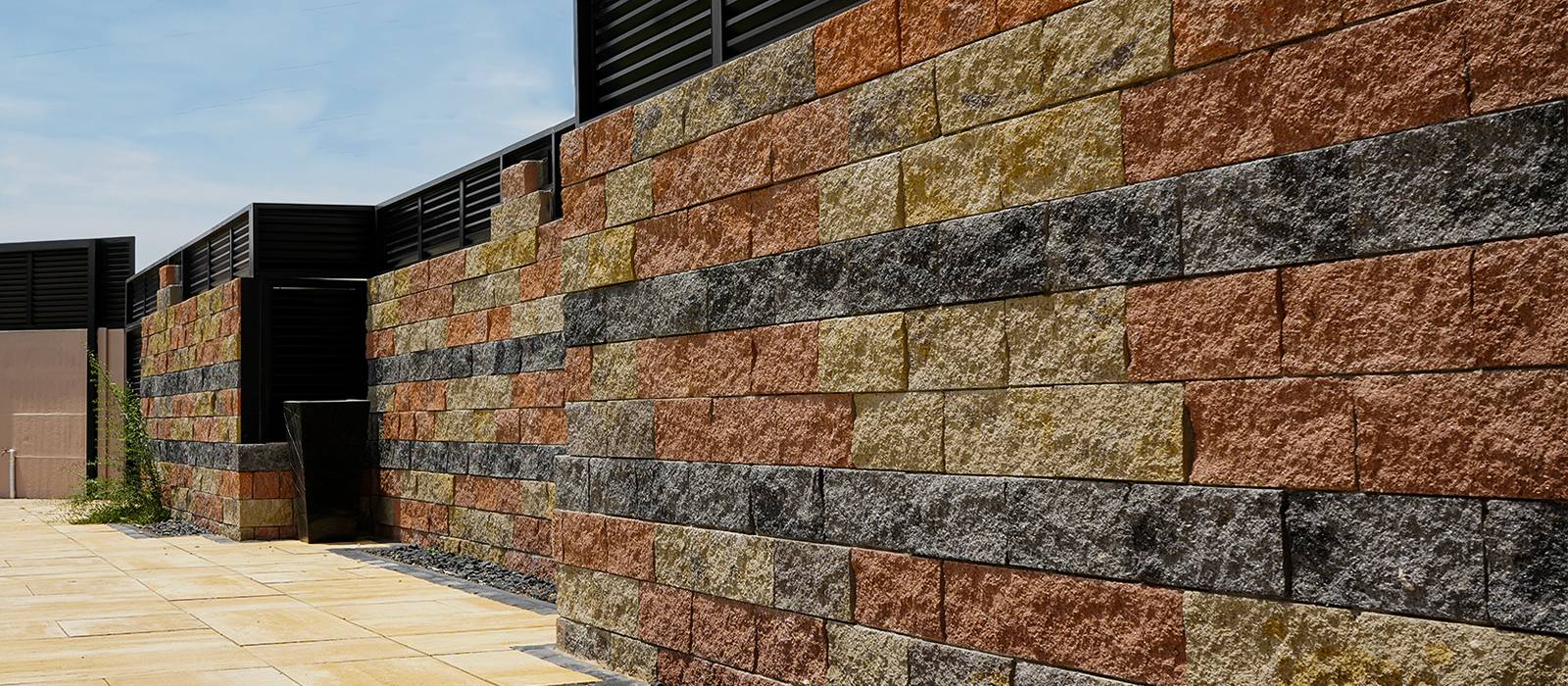
 View Wall Systems and Privacy Features
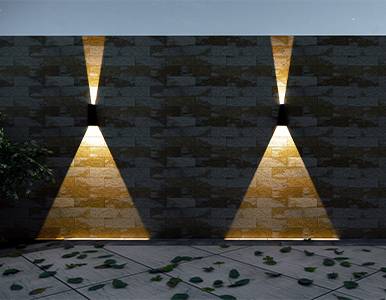
Privacy becomes more important when the family starts using the garden more often.
Wall systems, planting, screening, and pergolas can create separation from neighboring properties without making the garden feel enclosed.
You can also use these elements to define different parts of the garden.
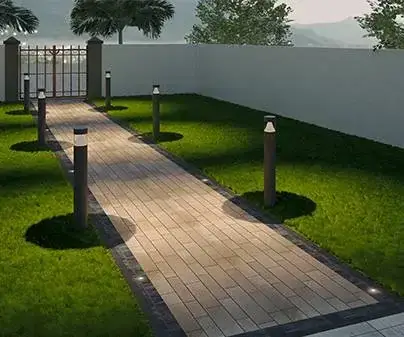 View Lighting
Plan lighting around how you will use each part of the garden.
Cooking and dining areas may need brighter light, while softer lighting can work better around seating, pathways, and planting.
Planning lighting early can also help you avoid visible wiring or unnecessary fittings later.
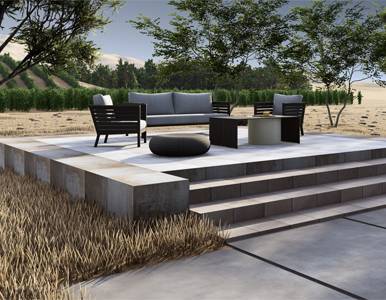 View Terrain and Level Changes
Not every villa plot is completely flat.
Raised platforms, steps, and retaining elements can help organize the garden and turn level changes into part of the design.
For example, a raised dining area can create separation without using walls.
Once you know what you want to add, decide how everything should fit together.
Let the property guide the layout rather than following a standard template.
Read the house 1 / 10
The house should guide the extension.
Place each use 2 / 10
One of the most natural ways to extend a villa is to continue the main living area into the garden.
Place each use 3 / 10
During Dubai’s cooler months, a garden dining area can become one of the most frequently used parts of the property.
Place each use 4 / 10
An outdoor kitchen works best when you plan it around the way the family actually cooks.
Place each use 5 / 10
A larger villa garden does not need to function as one open area.
Place each use 6 / 10
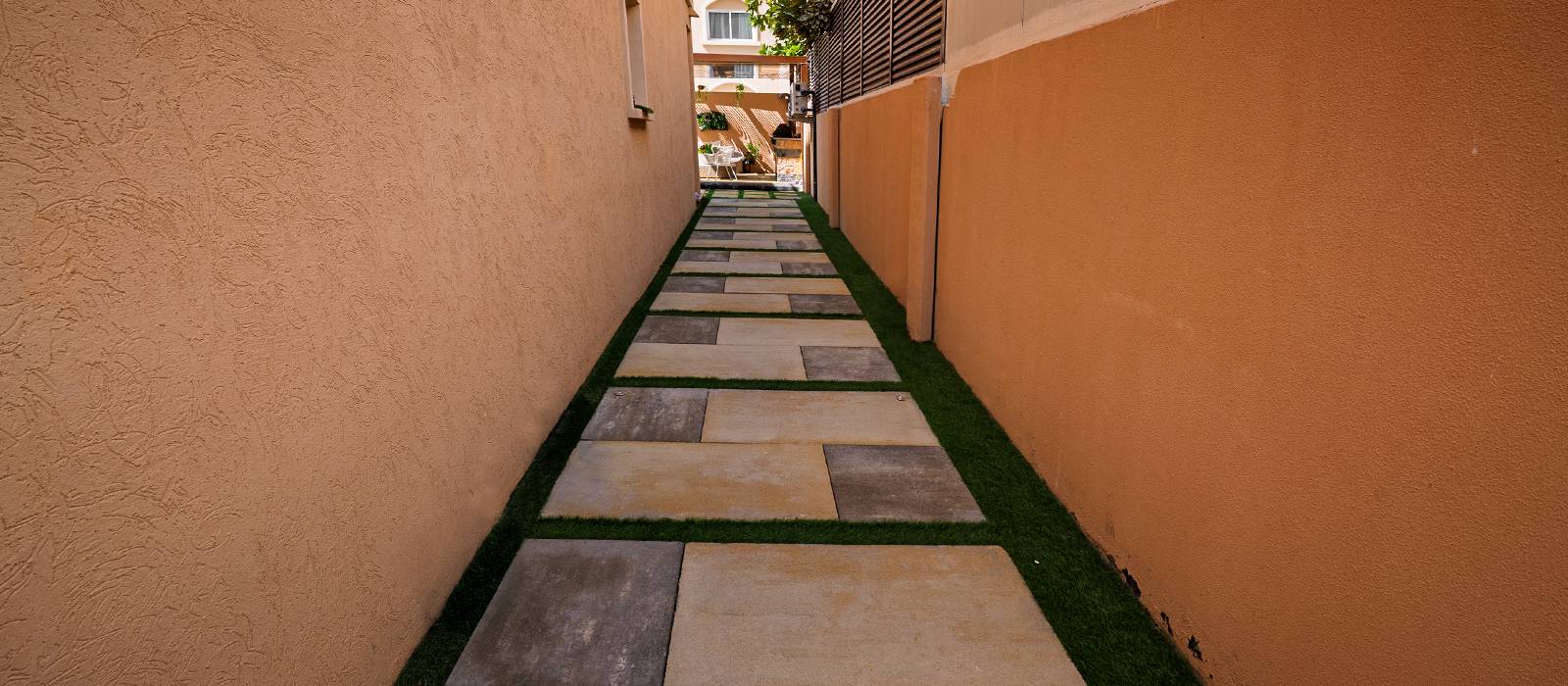
Homeowners often treat side passages as leftover parts of the villa.
Make it comfortable 7 / 10
Shade has a major influence on how comfortable a garden feels in Dubai.
Make it comfortable 8 / 10
A garden may have enough room for seating or dining but still feel uncomfortable if neighboring properties overlook it.
Make it comfortable 9 / 10
Changes in ground level do not always need to disappear.
Tie it together 10 / 10
A villa extension should feel like it belongs to the house.
Look at where the main doors open, where the kitchen sits, which areas receive the strongest afternoon sun, and how people currently move between the house and garden.
These details influence where each feature should go.
A dining area may work best near the kitchen.
A shaded lounge may make more sense beside the living room.
A fountain may work better where people can see it from inside the house.
Good planning starts with these relationships.
Many Dubai villas already have large sliding or folding doors that face the garden.
If you add paving, seating, and shade outside these doors, the area can become a more useful continuation of the home.
A pergola can help define the setting, while furniture and paving can make the transition between inside and outside feel more deliberate.
Choose a practical location.
Keeping it close to the villa can make serving food easier, while placing it further into the garden can offer more privacy.
The basic requirements are usually straightforward:
Leave enough clearance around the table so people can move chairs comfortably.
Not every villa needs a large kitchen.
For some homes, a grill and preparation counter may be enough. Others may need storage, a sink, and additional cooking equipment.
The kitchen should also work with the dining area.
If you place the two too far apart, serving food becomes less convenient. If you place them too close without enough circulation, the area can feel cramped.
Dividing it into clear zones can make the property easier to use.
For example, you may use the section closest to the house as the main family lounge.
The kitchen and dining area can sit nearby.
You may place a fountain, a quieter seating area, or a planting feature further into the garden.
Each zone can serve a different purpose while still feeling connected through paving, pathways, planting, and consistent materials.
They do not have to be.
Depending on the width and access, you can use a side section as
Good paving and lighting can make these sections feel like intentional parts of the property.
Before you finalize the layout, consider where the strongest sunlight falls during the day.
A seating area may look good in one position but receive too much afternoon sun.
Pergolas, covered areas, and careful placement can help the family use the garden more comfortably throughout the year.
Plan shade before you fix furniture and other features in place.
You can improve privacy in several ways.
Use planting to soften views. Add wall systems to define one side of a seating area. Use a pergola for overhead structure, and position furniture so it faces away from neighboring plots.
A combination of these elements often works better than relying on one solid wall.
You can sometimes use them to create more interesting and useful sections.
A raised platform can define a dining area.
A lower seating section can feel more private.
Steps and wall systems can connect different elevations while adding depth to the garden.
Make sure each transition feels comfortable and easy to use.
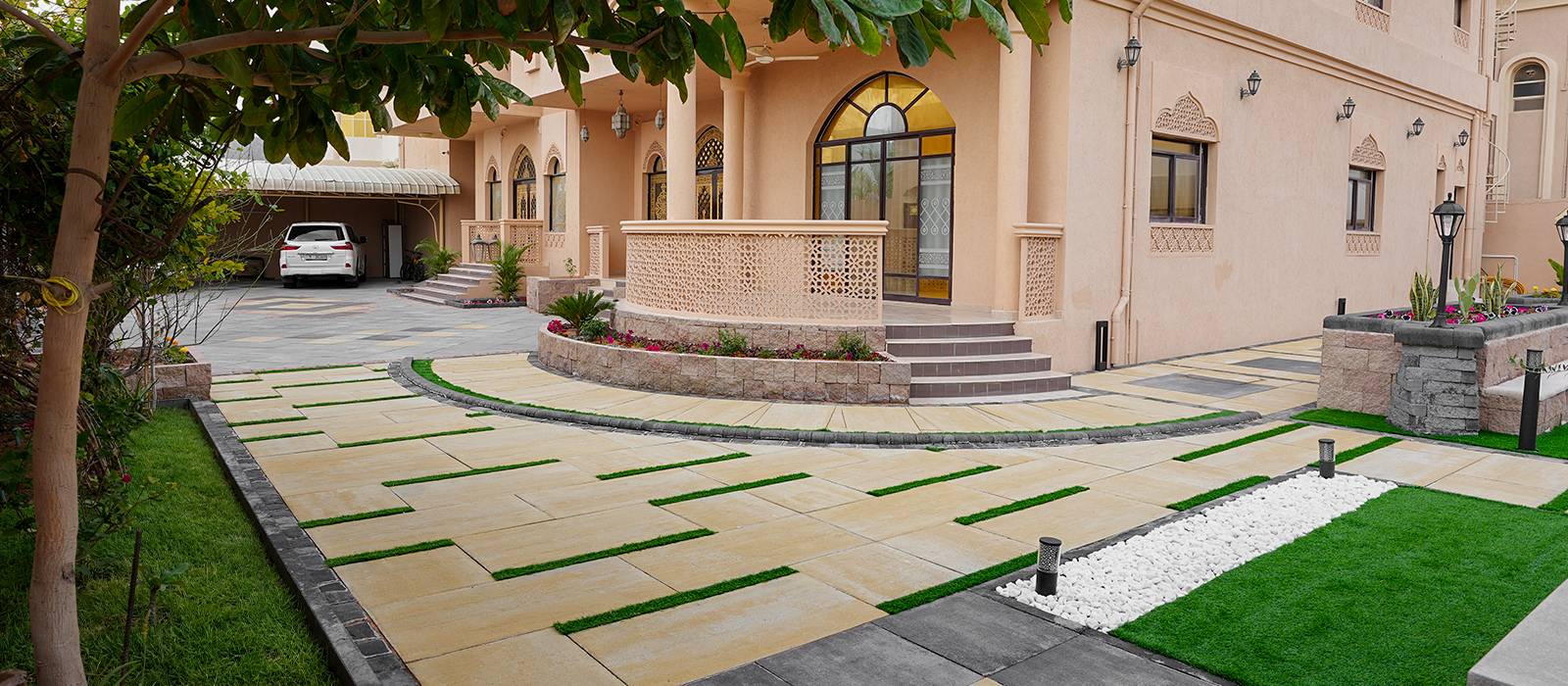
Use the existing architecture as a guide.
Facade colors, window frames, doors, flooring, and architectural lines can influence the choice of paving, pergola finishes, and other materials.
The new elements do not need to copy the villa exactly.
They simply need to feel connected.
Also look at the garden from inside the house. The paving, pergola, fountain, seating, and planting should work together when you view them through the main windows and doors.
Every villa has different requirements.
One property may need better paving and a shaded seating area.
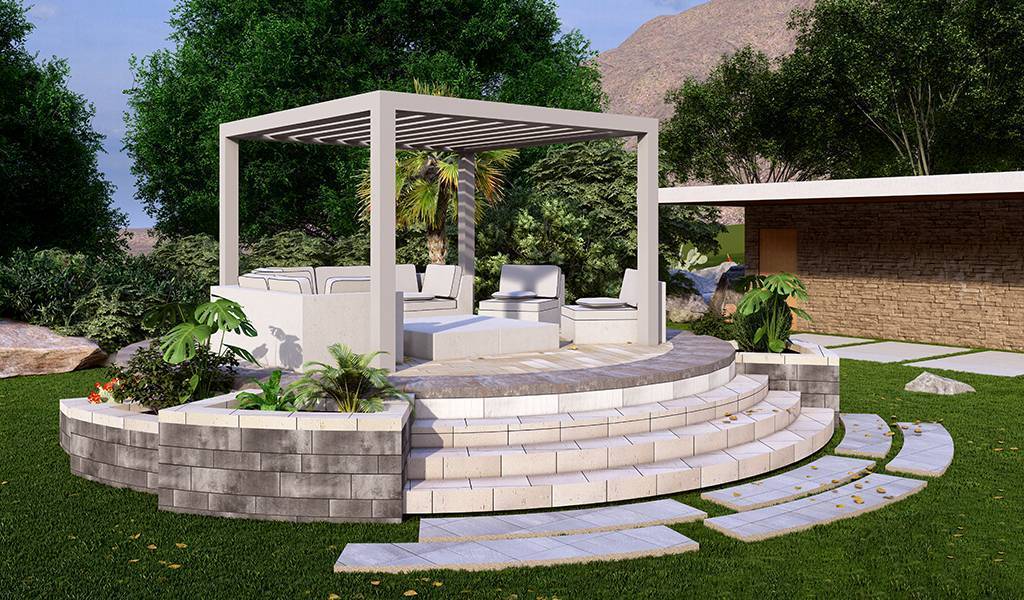
Another may need a larger extension with a pergola, outdoor kitchen, dining zone, fountain, improved privacy, or changes in garden levels.
How Ducon ODL Can Help
The house should guide the extension.
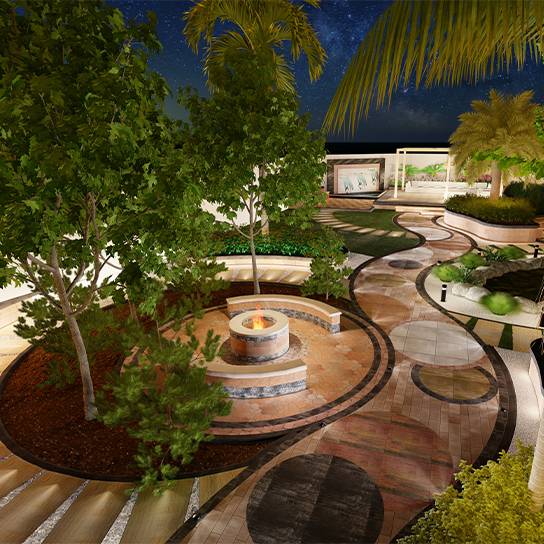
Let the property guide the layout rather than following a standard template.
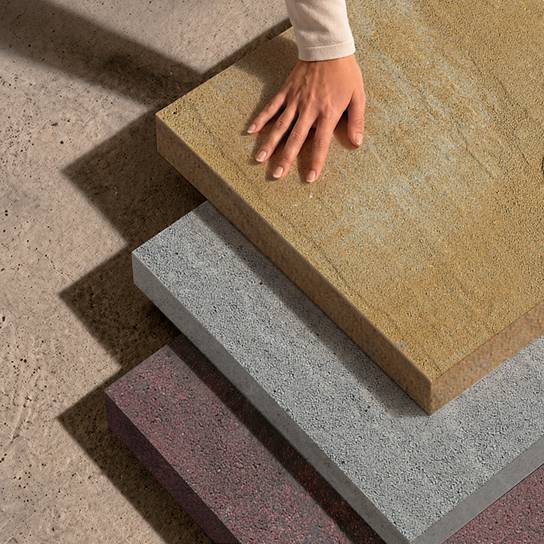
Facade colors, window frames, doors, flooring, and architectural lines can influence the choice of paving, pergola finishes, and other materials.
How Ducon ODL Can Help
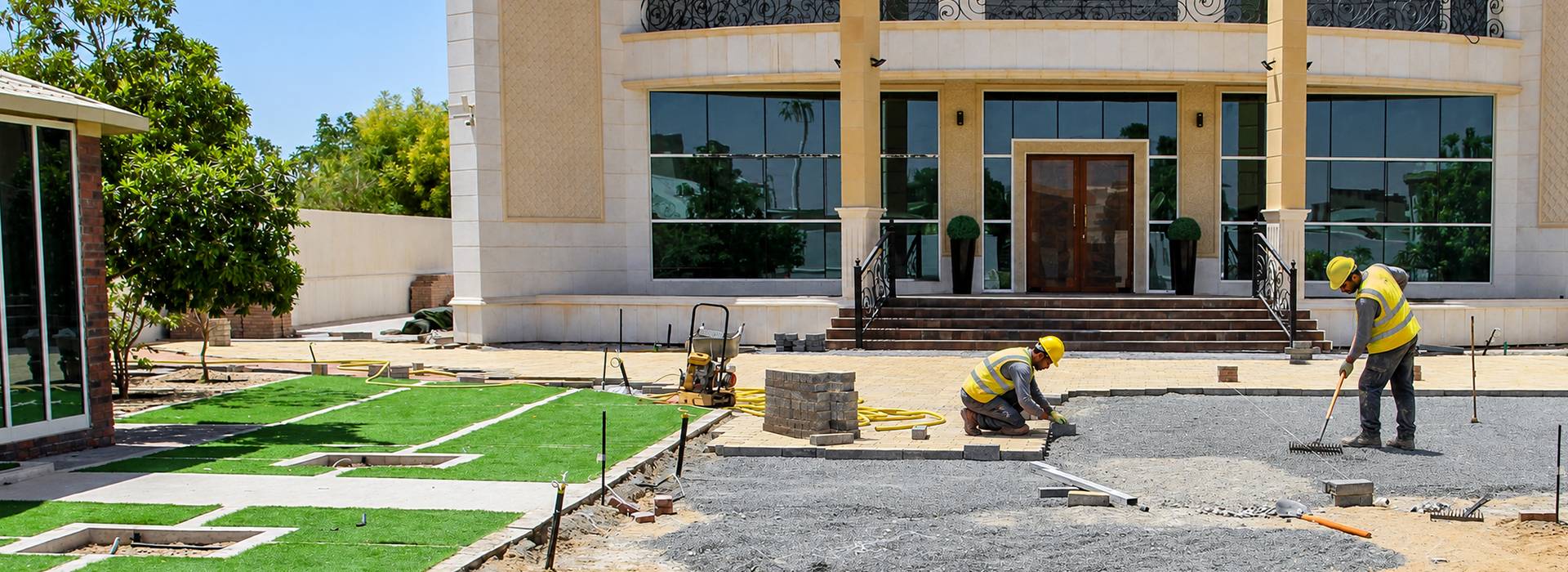
How Ducon ODL Can Help
Installation guidance
Start with the needs of the home, not with a list of products.
A successful villa extension starts with understanding the property.
Ducon ODL can help plan the extension so every addition feels connected to the villa and works with the way the family uses the home.
Before you book: your brief
Once you answer these questions, you can define the right layout and combination of features more clearly.
10 questions, short answers
1 of 10
An outdoor villa extension uses areas around the home to create useful places for seating, dining, cooking, or family use without adding another enclosed room.
2 of 10
A villa extension can help you make better use of underused parts of the property, add more shade, improve privacy, and create dedicated areas for family use, dining, or entertaining.
3 of 10
Depending on the property, you can add pergolas, pavers, slabs, seating areas, outdoor kitchens, fountains, lighting, wall systems, and terrain features.
4 of 10
Yes. A pergola can add shade and define a seating, dining, or cooking area. Choose its size and position based on the villa and the way you use the garden.
5 of 10
Yes. You can place an outdoor kitchen close to the villa or within a larger dining area. Consider access, utilities, shade, and the way the family normally cooks.
6 of 10
Yes. A small garden can still benefit from better paving, a compact seating area, a pergola, or an improved layout. Avoid adding too many features.
7 of 10
Yes. A fountain can create a focal point near an entrance, seating area, or central garden section.
8 of 10
Use planting, wall systems, pergolas, screening, and careful furniture placement to improve privacy.
9 of 10
The extension should feel connected to the villa. Choose materials, colors, and finishes that relate to the existing architecture without copying it exactly.
10 of 10
Yes, Ducon ODL can support the project with site assessment, planning, material selection, and installation guidance based on the property and project requirements.
Our Locations
Explore materials, finishes, and outdoor systems in person at our Dubai and Abu Dhabi showrooms.
 1